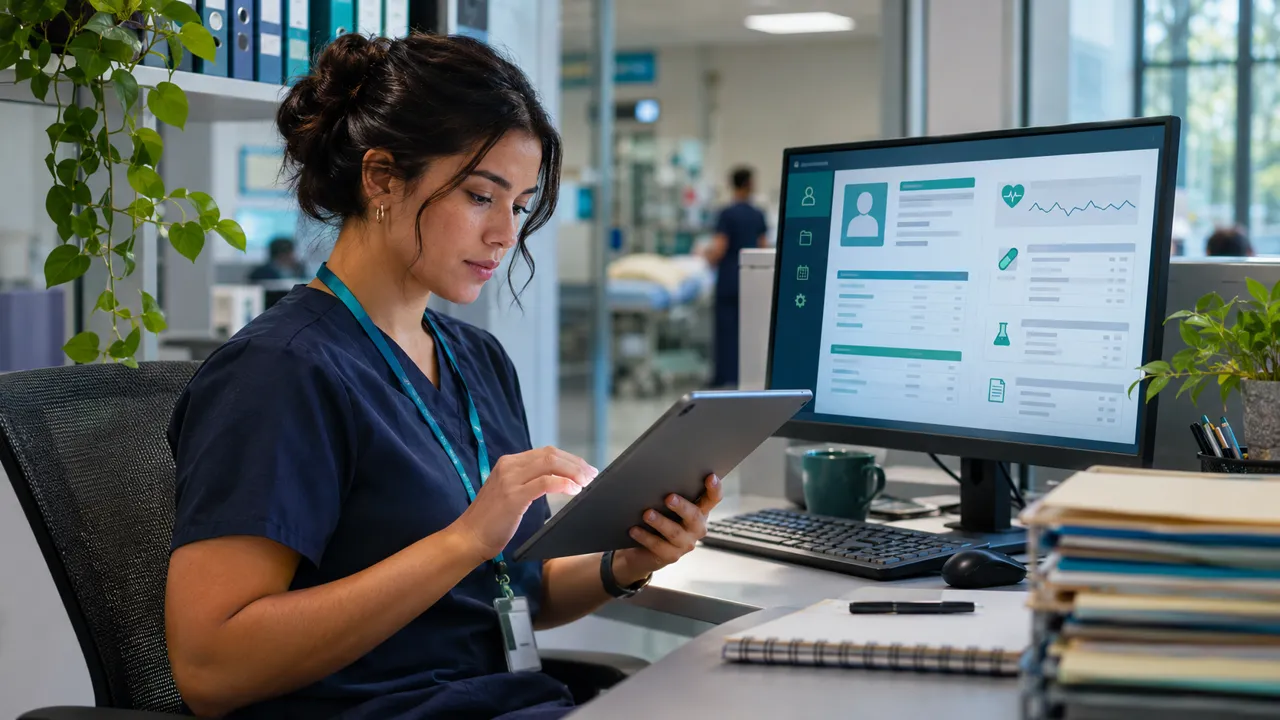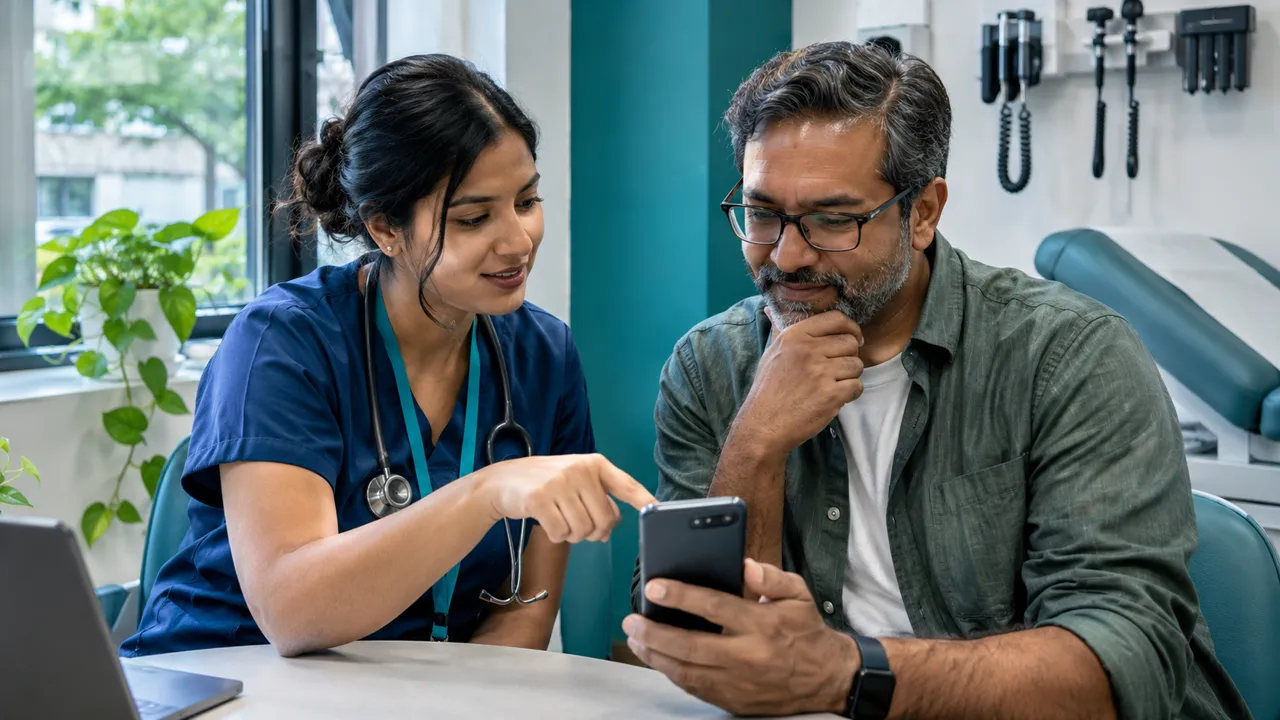
A health app can make a task easier without establishing that it improves a clinical outcome. Start by identifying its intended job and the evidence needed for that job.
A practical example
An appointment reminder, a symptom diary and a diagnostic application do different things. A useful trial of the diary might examine readability, export and whether a clinician can interpret the record. Those observations do not establish diagnostic accuracy for another function.
What to check
- Read the stated intended use and the audience the product is designed for.
- Distinguish usability observations from evidence about clinical performance.
- Clarify who sees submitted information and what response users should expect.
The trade-off
A convenient digital record may support a conversation, but it should not create an assumption that someone is monitoring it continuously. Describe service boundaries in ordinary language.
Research context
The FDA’s digital-health overview describes the breadth of the field. It helps distinguish technology categories; it does not validate an individual app or replace a clinical evaluation.
Read the original reference material. The practical examples and evaluation questions above are TheTechGlow’s editorial application of the topic, not reported results from a product test.
Explore Digital Health for topic coverage, or continue to Healthcare Technology for the wider sector.
References and further reading
- fda.govhttps://www.fda.gov/medical-devices/digital-health-center-excellence/what-digital-health