Insight
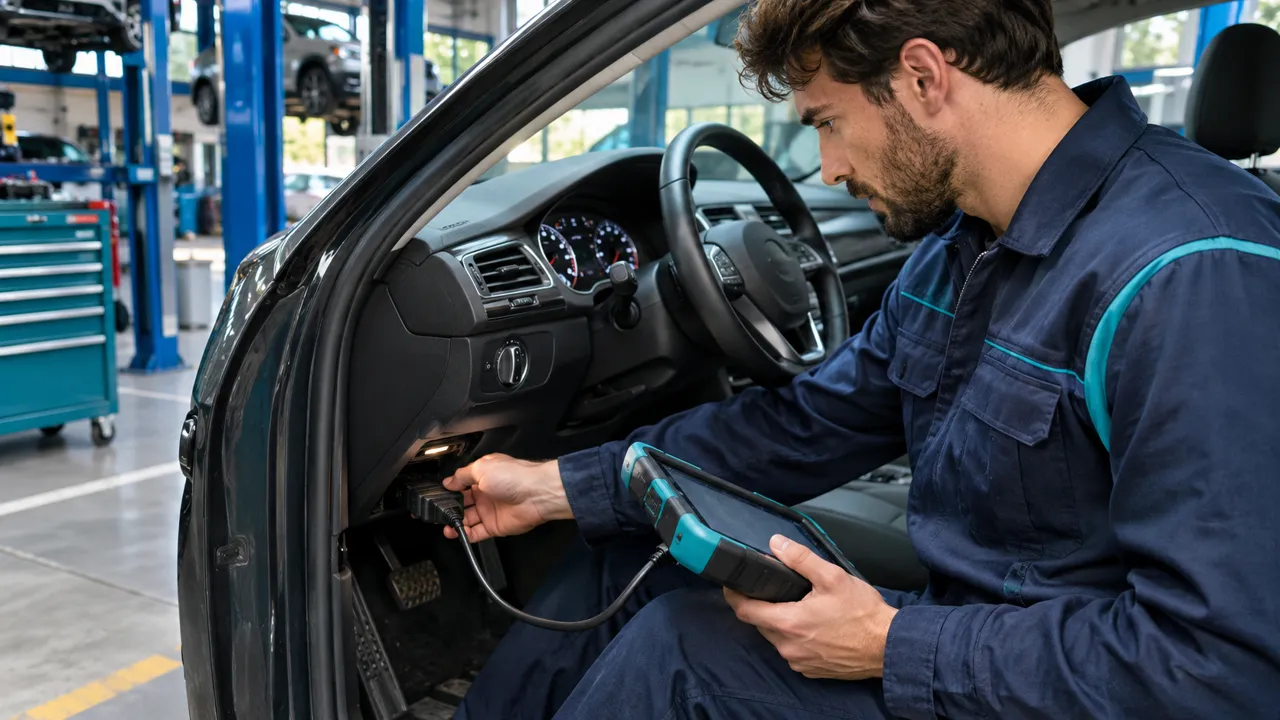
A vehicle fault code starts an investigation; it does not finish one
A diagnostic message can point to a system that needs investigation without identifying the complete cause.
Vehicle software, charging, batteries and assistance systems explained around real ownership needs.

AI-generated editorial illustration.
Automobile technology brings together vehicle hardware, software, energy systems and connected services. This sector follows their effect on everyday ownership, from planning charging to understanding assistance features and service information. Specifications are explained alongside operating conditions, manufacturer documentation and the practical responsibilities that remain with the driver or a qualified service team.
A diagnostic message can point to a system that needs investigation without identifying the complete cause.
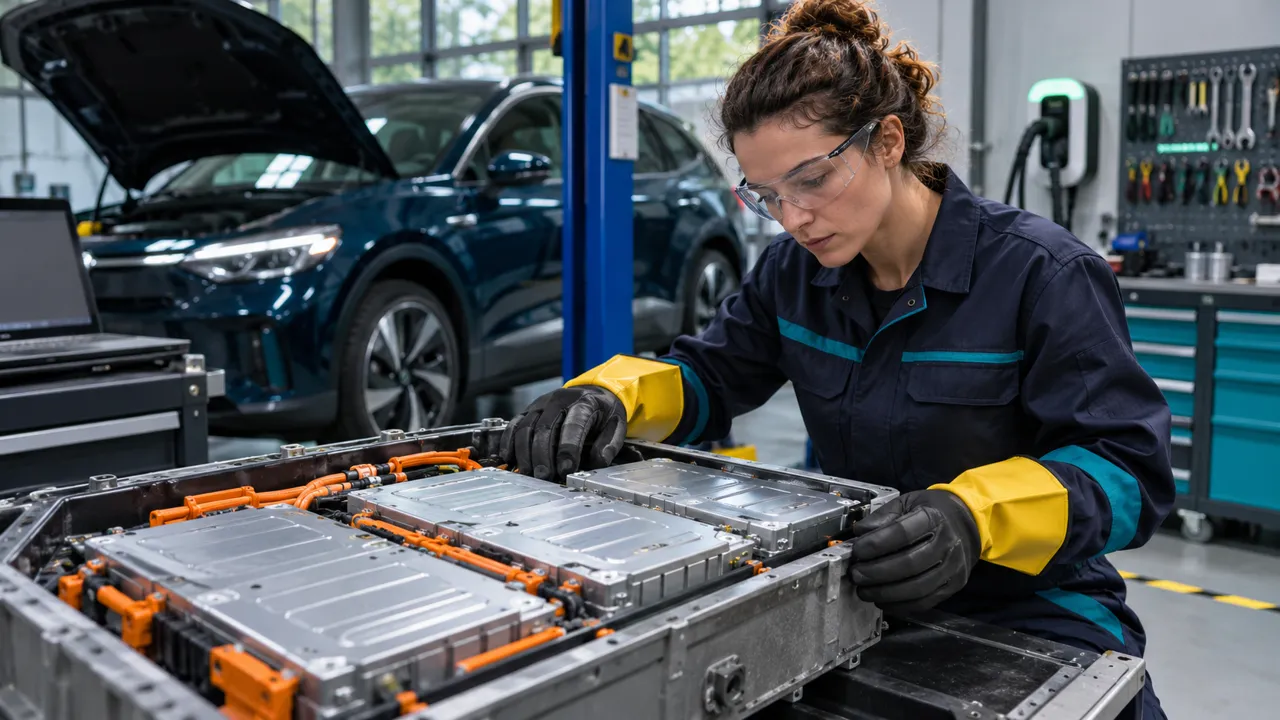
A battery-related figure is easier to interpret when the report identifies the vehicle, the assessment date and the method used.

Assistance functions can warn, intervene briefly or support a defined part of driving.

A connected vehicle may depend on several accounts, applications and service arrangements.

A practical charging plan starts with where a vehicle spends time between journeys.
List regular journeys and where the vehicle is parked between them.
Diagnostic technology is most valuable when it improves the quality of a maintenance decision.
Battery information needs a common vocabulary.
Driver-assistance comparisons should describe behaviour rather than rely on broad labels.
Connected vehicles should be evaluated as ongoing software services as well as physical products.
Charging convenience depends on access, time and the vehicle as well as the equipment.
List regular journeys and where the vehicle is parked between them.