Reference brief. This article explains published guidance and its practical context; it does not report a new launch or claim that an older source was released today.
Diagnostic technology is most valuable when it improves the quality of a maintenance decision. Buyers comparing tools should distinguish reading information from interpreting the cause of a fault. Clear records and qualified assessment remain important even when a dashboard translates a code into plain language.
What the source establishes
The US EPA describes onboard diagnostics in the context of vehicle inspection and maintenance. Its emissions-related scope should not be mistaken for a complete guide to every vehicle warning or repair.
See the original reference material for the publisher’s scope and detail.
Questions to carry into a product or service review
- Keep the warning wording and relevant circumstances available for the workshop.
- Ask the technician to explain findings and recommended work in the service record.
- Follow the vehicle’s instructions for urgent warnings and safe operation.
Why context matters
A consumer reader may provide information without providing the tools or expertise for a complete diagnosis. Use it within an appropriate service process rather than treating it as an automatic repair instruction.
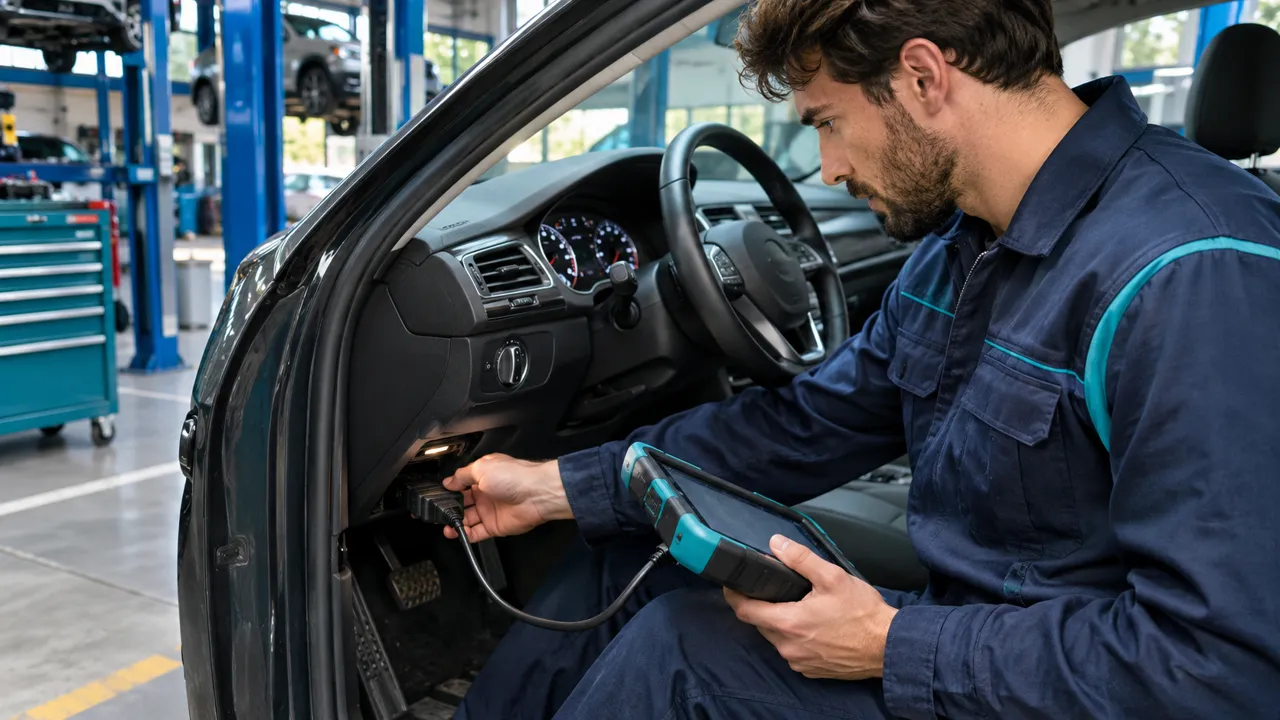
For the practical example, read a vehicle fault code starts an investigation; it does not finish one. More coverage is available in Vehicle Diagnostics and Maintenance.
References and further reading
- epa.govhttps://www.epa.gov/state-and-local-transportation/vehicle-emissions-inspection-and-maintenance-im-information-state