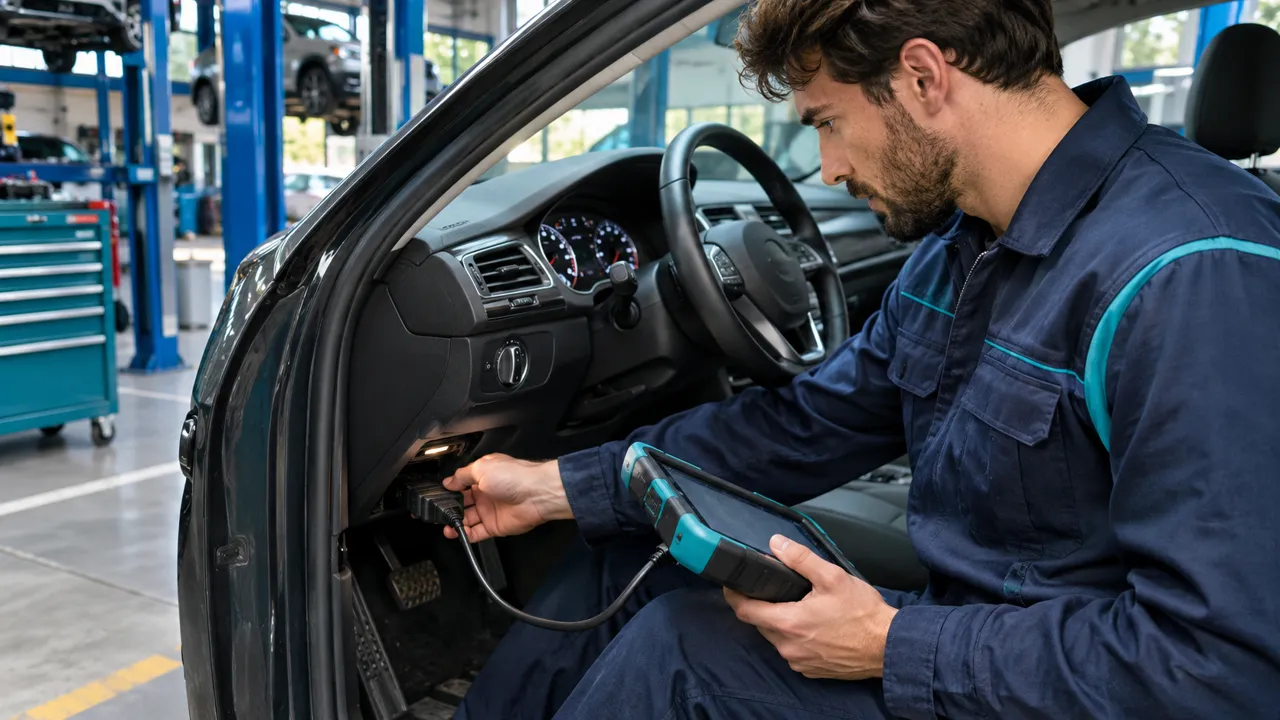
A battery-related figure is easier to interpret when the report identifies the vehicle, the assessment date and the method used. Capacity, reported health and driving range describe related but different things.
A practical example
When reviewing a used vehicle, ask for the context around any battery-health claim. Check whether the report identifies the equipment or process used and whether the seller can explain what the value means. Compare it with the manufacturer’s documentation rather than an isolated percentage in an advertisement.
What to check
- Distinguish energy capacity from a range estimate and a health assessment.
- Read warranty conditions for the exact vehicle and market.
- Use qualified support to interpret concerns rather than attempting battery work yourself.
The trade-off
No single number captures every ownership consideration. Condition, charging arrangements, support and documented warranty terms belong in the same comparison.
Research context
The Alternative Fuels Data Center explains batteries used in electric vehicles and related considerations. It is general technical background; individual condition and warranty questions require vehicle-specific evidence.
Read the original reference material. The practical examples and evaluation questions above are TheTechGlow’s editorial application of the topic, not reported results from a product test.
Explore Vehicle Batteries and Energy Systems for topic coverage, or continue to Automobile Technology for the wider sector.
References and further reading
- afdc.energy.govhttps://afdc.energy.gov/vehicles/electric-batteries