Insight
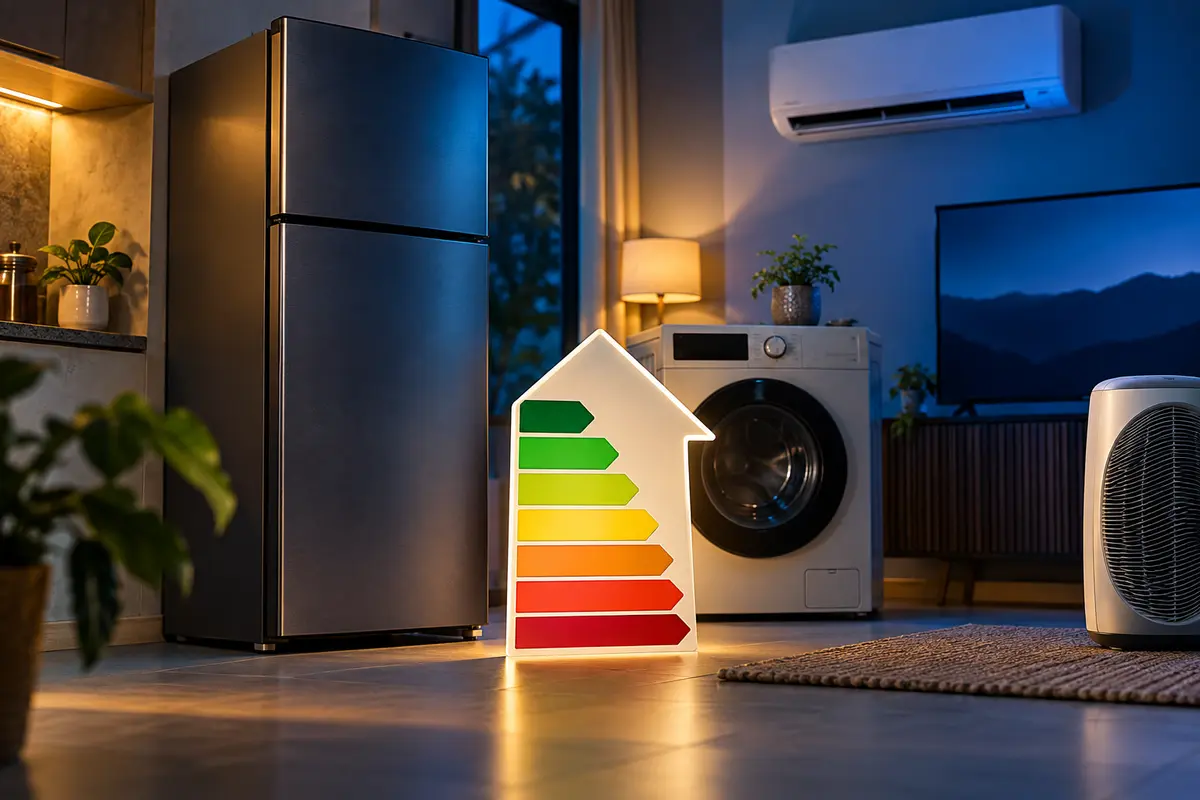
Energy Labels Are Becoming More Important as Appliance Use Grows
Why buyers should check the current label period, realistic usage and lifetime electricity cost.
Appliances and connected home systems examined for practical benefits, maintenance and long-term support.
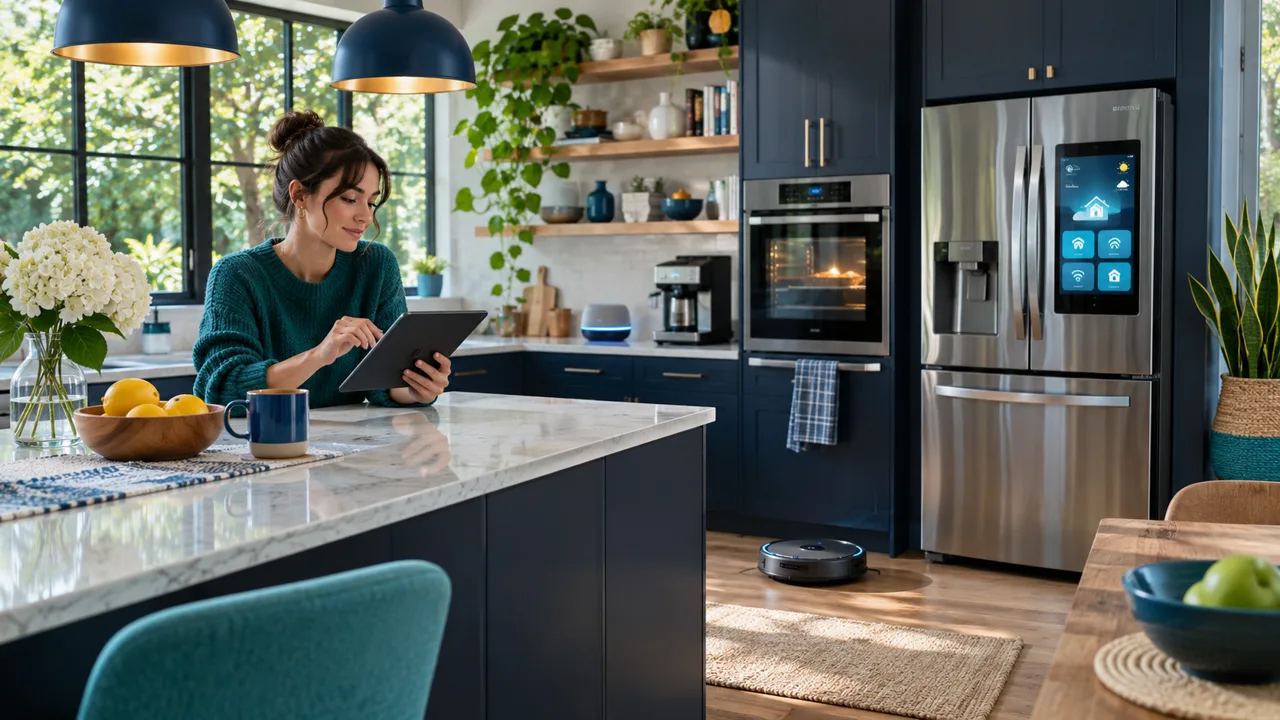
AI-generated editorial illustration.
Home appliance technology combines physical products with sensors, software and connected services. This sector keeps the household task at the centre of the comparison: cooking, cleaning, managing indoor conditions or understanding energy use. Coverage considers installation, ordinary controls, maintenance and long-term support alongside the convenience of a connected function.
Why buyers should check the current label period, realistic usage and lifetime electricity cost.
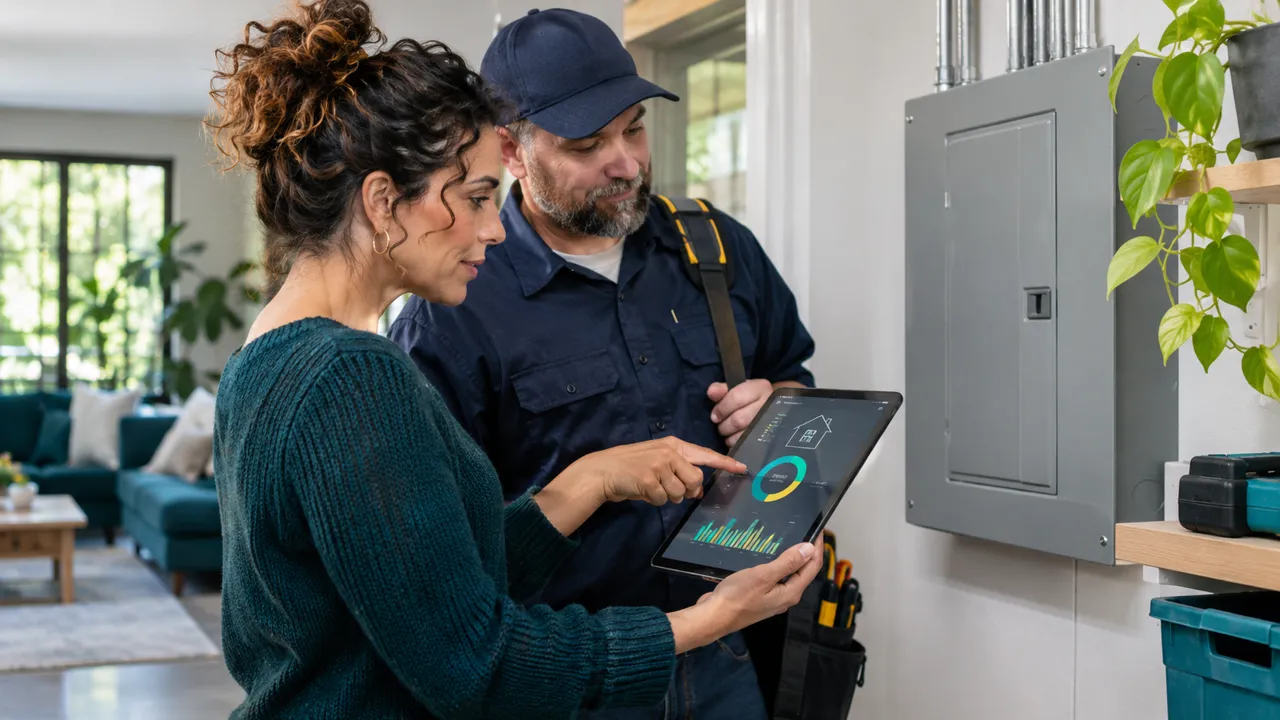
Seeing a household’s energy use can be informative.
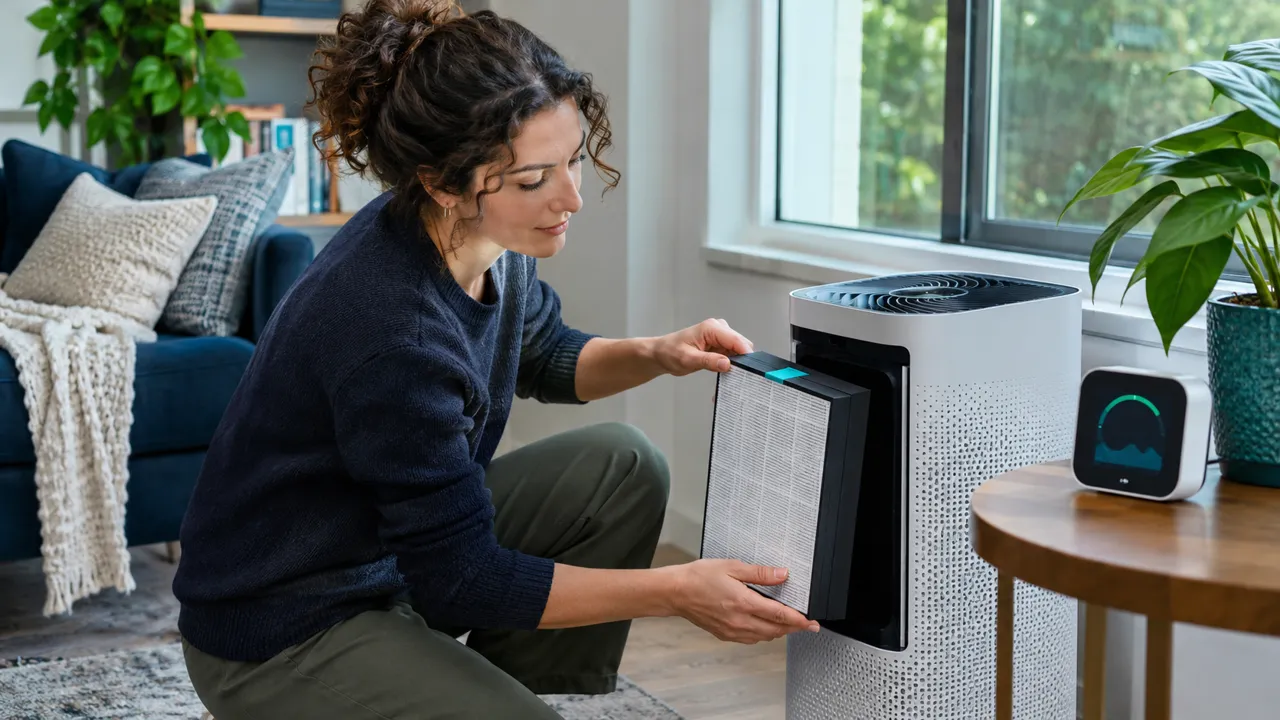
An indoor-air display is useful only when the household understands what it measures and where the reading comes from.
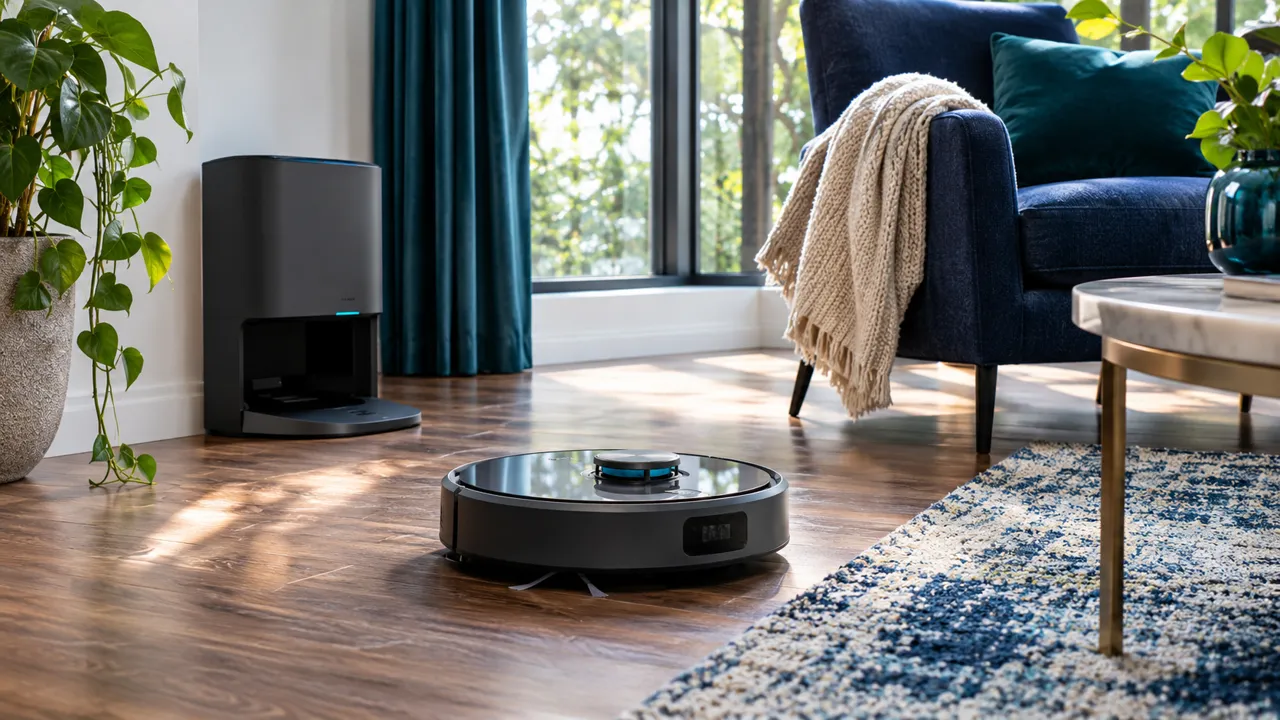
A robot cleaner operates in a changing room, not an empty showroom.
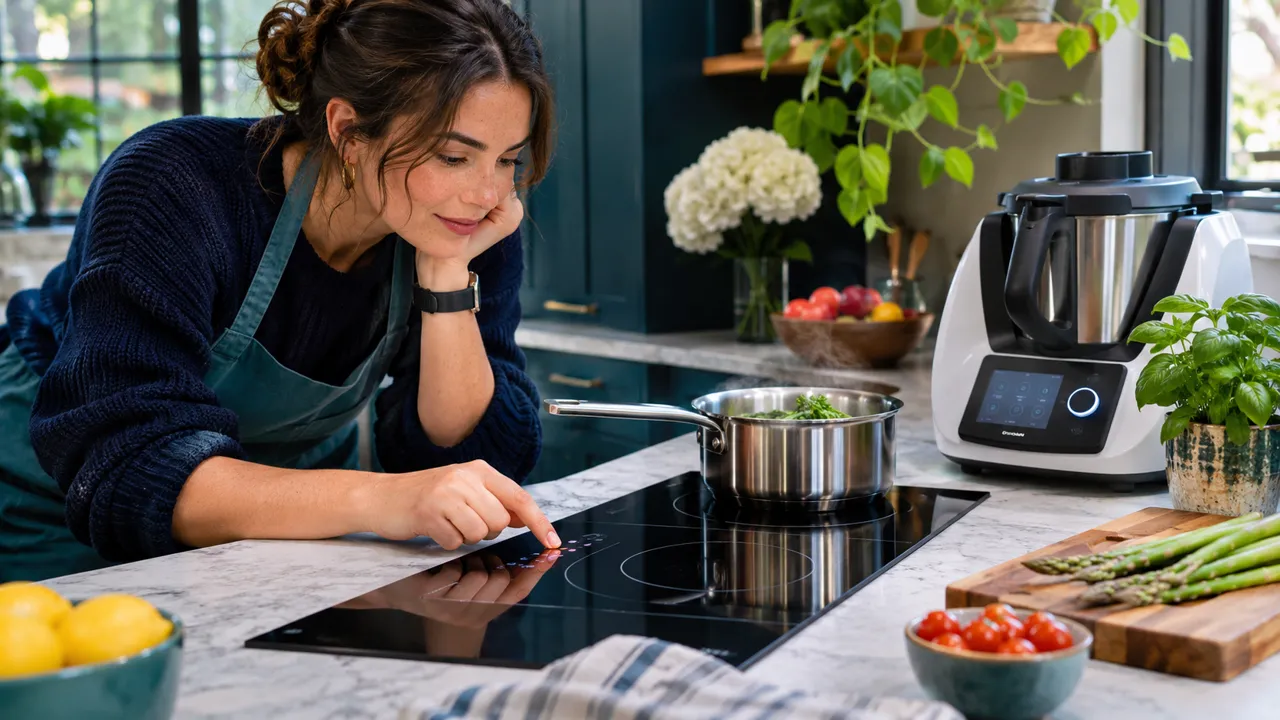
A kitchen appliance should fit the space, the household routine and the cookware or accessories it requires.
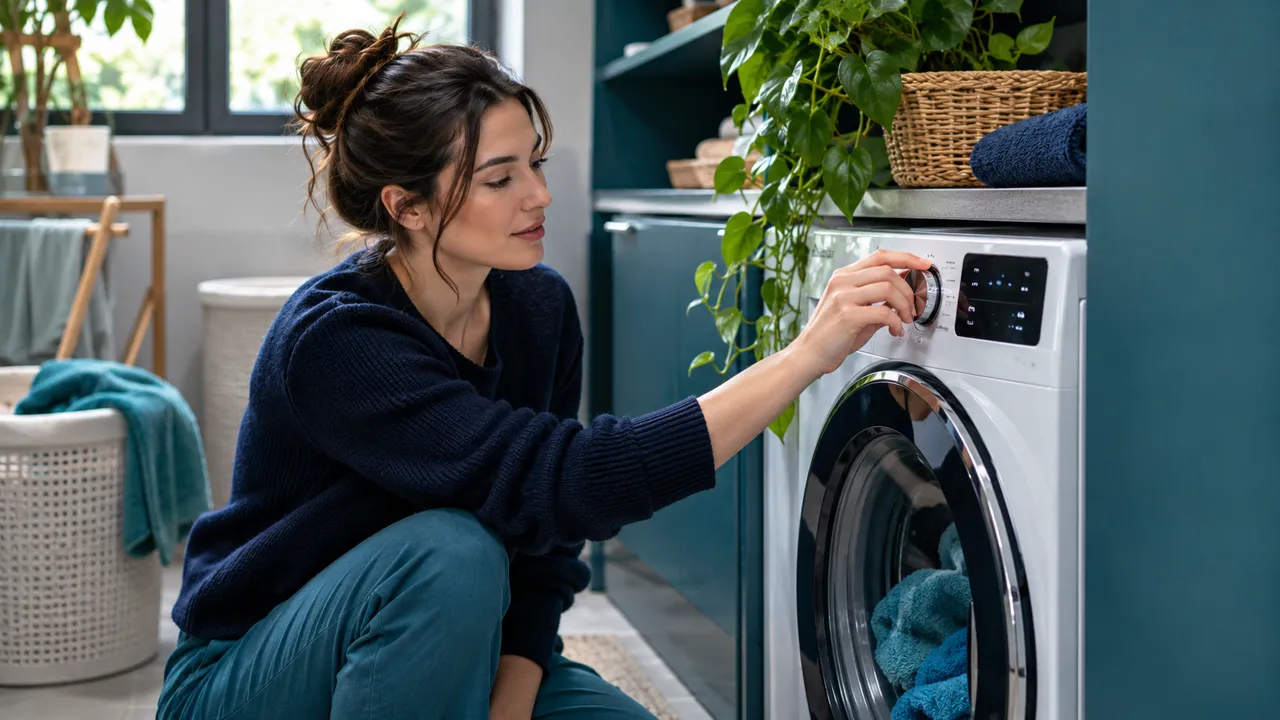
A connected appliance still needs to perform its ordinary job.
A washing machine still needs to fit the space, handle the household’s laundry and have service support.
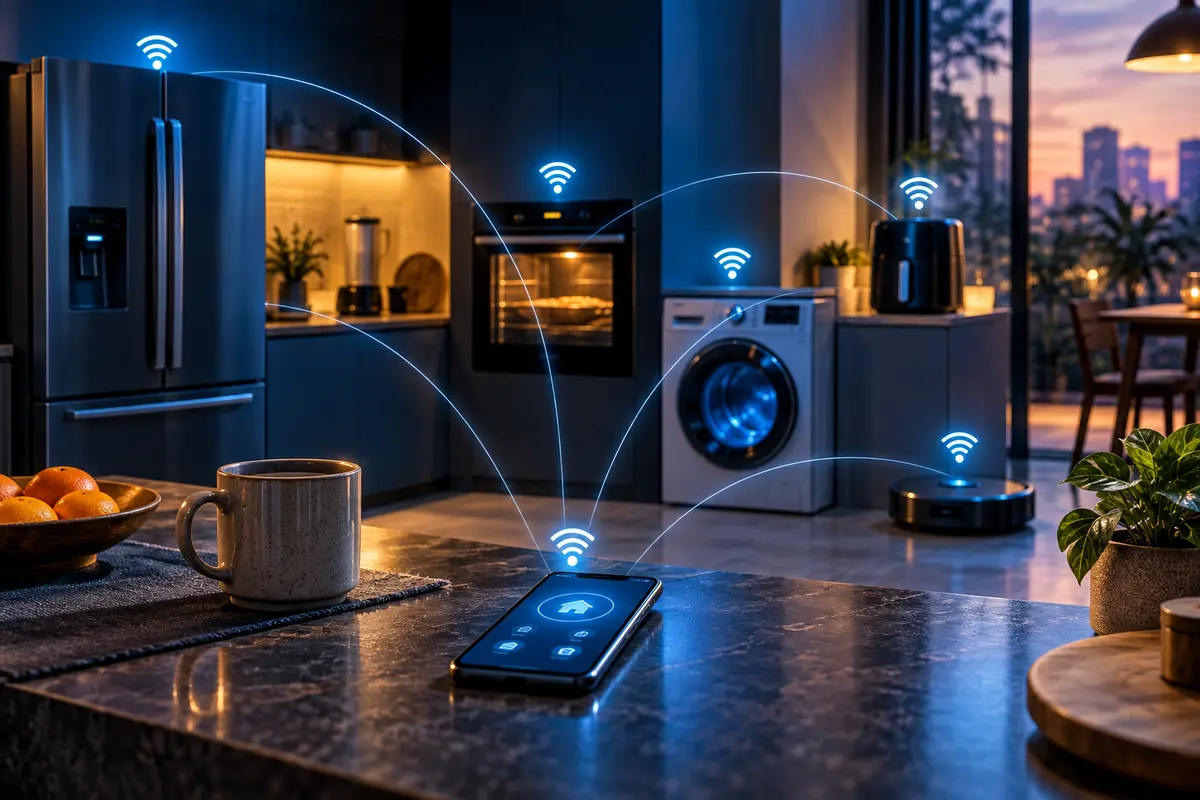
What app control, diagnostics and remote features mean for privacy and product longevity.
Home-energy products combine different functions under similar labels.
Air-cleaner information is most useful when it explains the conditions behind a claim.
Robot cleaning should be judged over repeated use.
Cooking technology is easier to evaluate when buyers separate the main task from optional convenience.
Connected-home standards provide useful common ground, but product comparisons still need specific questions.
A washing machine still needs to fit the space, handle the household’s laundry and have service support.