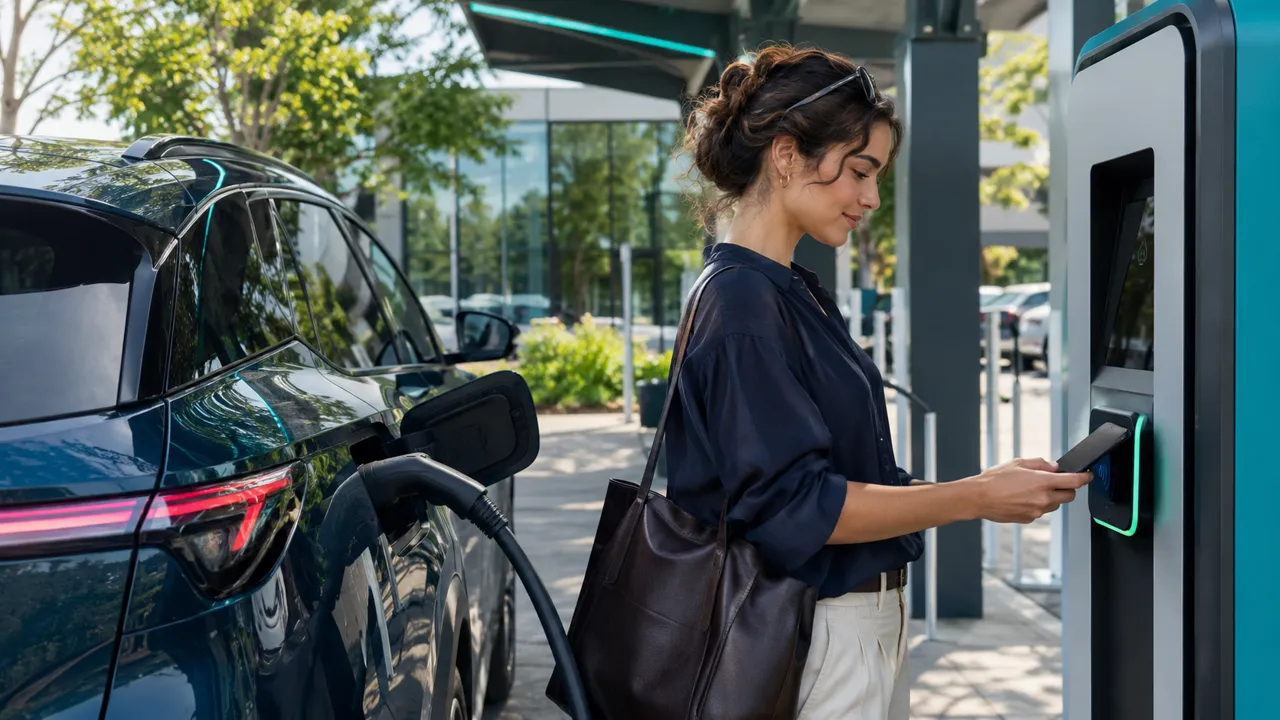
A charging site is a service experience as well as electrical equipment. A driver needs to reach it, connect successfully, start payment and understand the session status.
A practical example
For a journey you repeat, review site access, parking conditions and the network’s current information. Check the connector and the vehicle’s relevant capabilities. Keep a second usable location in mind rather than depending on one attractive map marker.
What to check
- Confirm the connector, access hours and payment route for the specific site.
- Read vehicle information rather than assuming the charger’s rating determines charging speed.
- Plan an alternative and keep the network’s support information accessible.
The trade-off
A high advertised power figure may describe only part of a charging session. Practical convenience includes arrival, availability, setup and the fit with the time you have.
Research context
The Alternative Fuels Data Center provides information about charging equipment and charging levels. It is general infrastructure context, while current site operation and vehicle compatibility require specific checks.
Read the original reference material. The practical examples and evaluation questions above are TheTechGlow’s editorial application of the topic, not reported results from a product test.
Explore Electric Vehicle Charging for topic coverage, or continue to Consumer and Mobility Technology for the wider sector.
References and further reading
- afdc.energy.govhttps://afdc.energy.gov/vehicles/electric-consumers