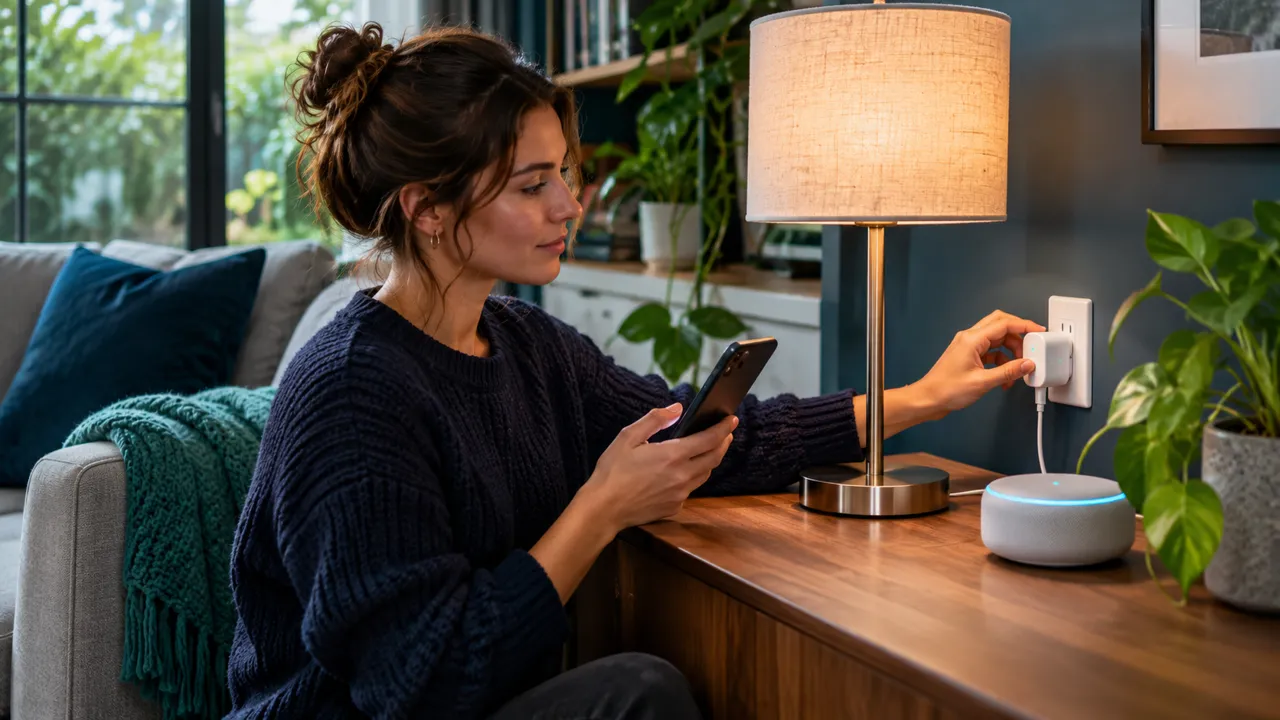
A household platform connects products that may have different accounts, networks and supported functions. Start with the actions the household needs instead of assuming that all compatible devices behave identically.
A practical example
For a lamp and a smart plug, check the controller, setup process and the functions exposed through the chosen app. Then ask what remains available when internet access is interrupted. Include another household member in the trial so ordinary operation does not depend on one person’s phone.
What to check
- Check each device and controller combination against official compatibility information.
- Distinguish local operation from cloud-dependent features.
- Keep account recovery, access removal and device-reset instructions available.
The trade-off
A common standard can reduce some compatibility friction while leaving model-specific differences. Choose a setup the household can understand and maintain, rather than one whose convenience depends on a complicated chain of services.
Research context
The Connectivity Standards Alliance provides information about Matter and its smart-home ecosystem. It explains a shared standard; supported features still depend on the relevant devices, software and controllers.
Read the original reference material. The practical examples and evaluation questions above are TheTechGlow’s editorial application of the topic, not reported results from a product test.
Explore Smart Home Platforms for topic coverage, or continue to Consumer and Mobility Technology for the wider sector.
References and further reading
- csa-iot.orghttps://csa-iot.org/all-solutions/matter/matter-faq/