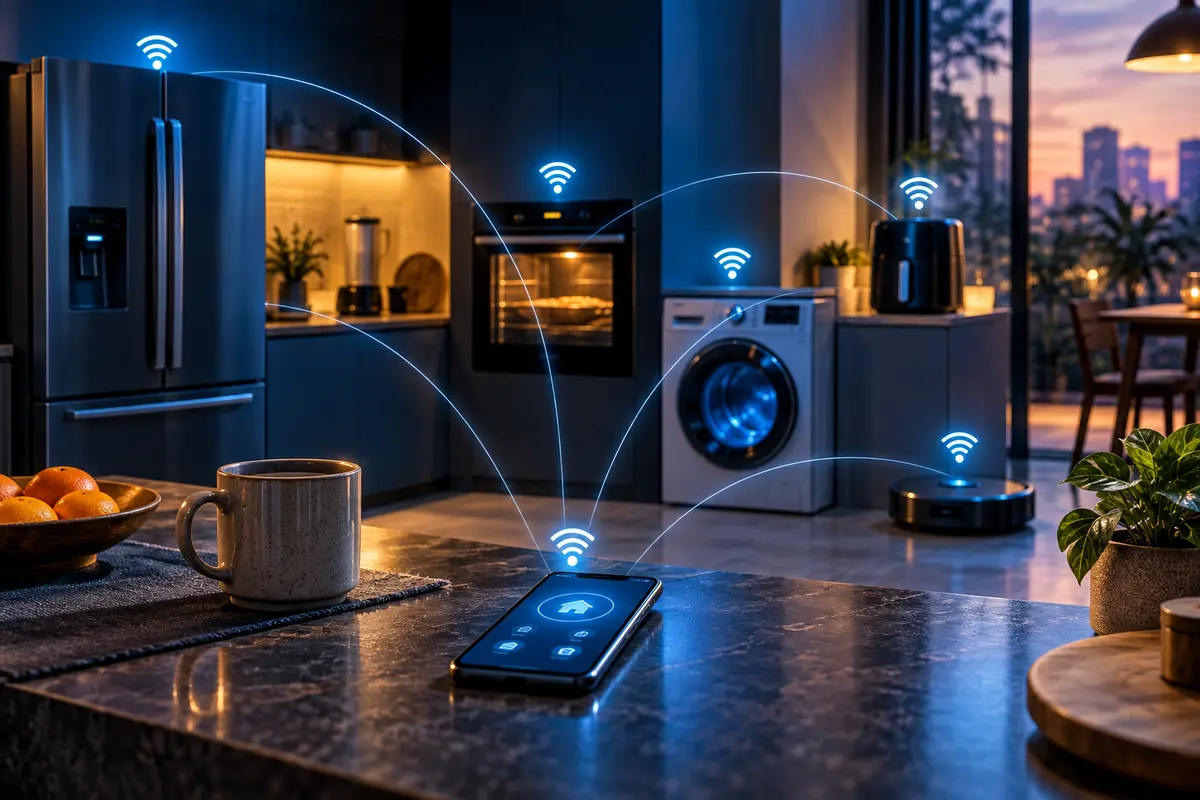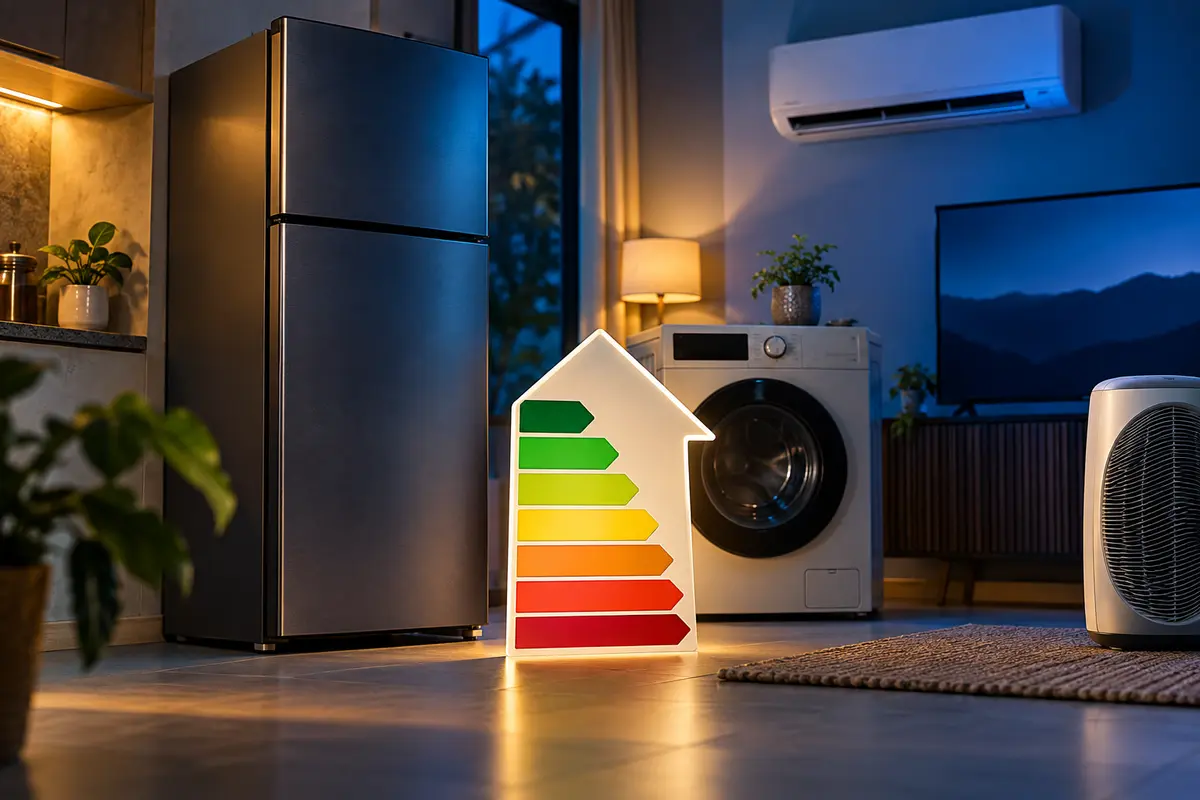
A washing machine still needs to fit the space, handle the household’s laundry and have service support. A connected feature should solve a recognisable problem alongside that core job. Write down whether you need a completion alert, a useful diagnostic message or a clearer schedule. A long app feature list can distract from capacity, noise and maintenance.
Ask what happens without the app
Try to establish whether ordinary functions remain available when the phone is unavailable or the internet connection fails. Check how another household member can use the appliance. Clear physical controls are especially valuable for visitors, shared homes and anyone who does not want another account. Read the manual rather than relying solely on a showroom demonstration.
Check one function at a time
If you want an appliance to work with an existing home controller, list the actual actions you need. Seeing status, changing a setting and receiving an alert are different capabilities. Ask which are supported on the exact model in your market. A common platform label does not answer every feature-level question.
Budget for ownership
Look for cleaning requirements, consumables, available parts and a documented support policy. Review what data the app collects and how the appliance can be removed from an account before resale. Keep the manual and purchase details somewhere accessible. The most useful smart feature is one your household will still understand and maintain after the initial setup.
Research context
The Connectivity Standards Alliance presents Matter as a smart-home connectivity standard. Compatibility still needs to be checked against the particular device, controller and functions a household expects to use. Read the Connectivity Standards Alliance Matter resources for the source material.
Continue exploring hometech for related coverage and topic pages.
References and further reading
- Connectivity Standards Alliance Matter resourceshttps://csa-iot.org/all-solutions/matter/