Reference brief. This article explains published guidance and its practical context; it does not report a new launch or claim that an older source was released today.
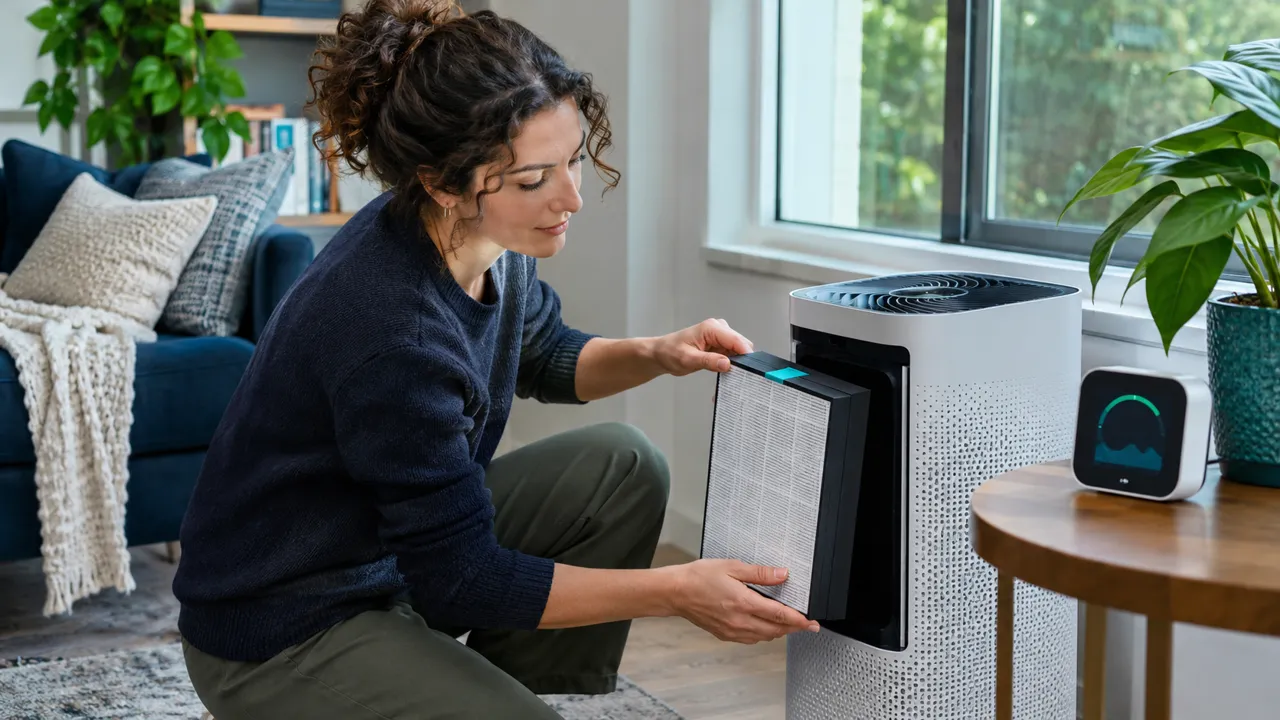
Air-cleaner information is most useful when it explains the conditions behind a claim. Readers should check the intended room, relevant pollutants and maintenance requirements. A product’s display can support understanding, but it should not replace attention to the source of an indoor-air problem.
What the source establishes
The US Environmental Protection Agency discusses home air cleaners, filters and their limitations. Its material provides general indoor-air context, not personalized health advice or a guarantee for an individual device.
See the original reference material for the publisher’s scope and detail.
Questions to carry into a product or service review
- Identify what is measured and what the monitor does not detect.
- Check room suitability and filter-care requirements in product documentation.
- Keep ventilation and source-control questions separate from appliance features.
Why context matters
A portable device can address a defined need without solving every indoor-air problem. Avoid treating a dashboard colour or a marketing label as a medical conclusion.
For the practical example, read read an indoor-air number alongside the room and the sensor. More coverage is available in Home Climate & Air.
References and further reading
- epa.govhttps://www.epa.gov/indoor-air-quality-iaq/air-cleaners-and-air-filters-home