Seeing a household’s energy use can be informative. It becomes more useful when the information connects to a practical action, such as understanding a schedule or investigating an unexpected load.
A practical example
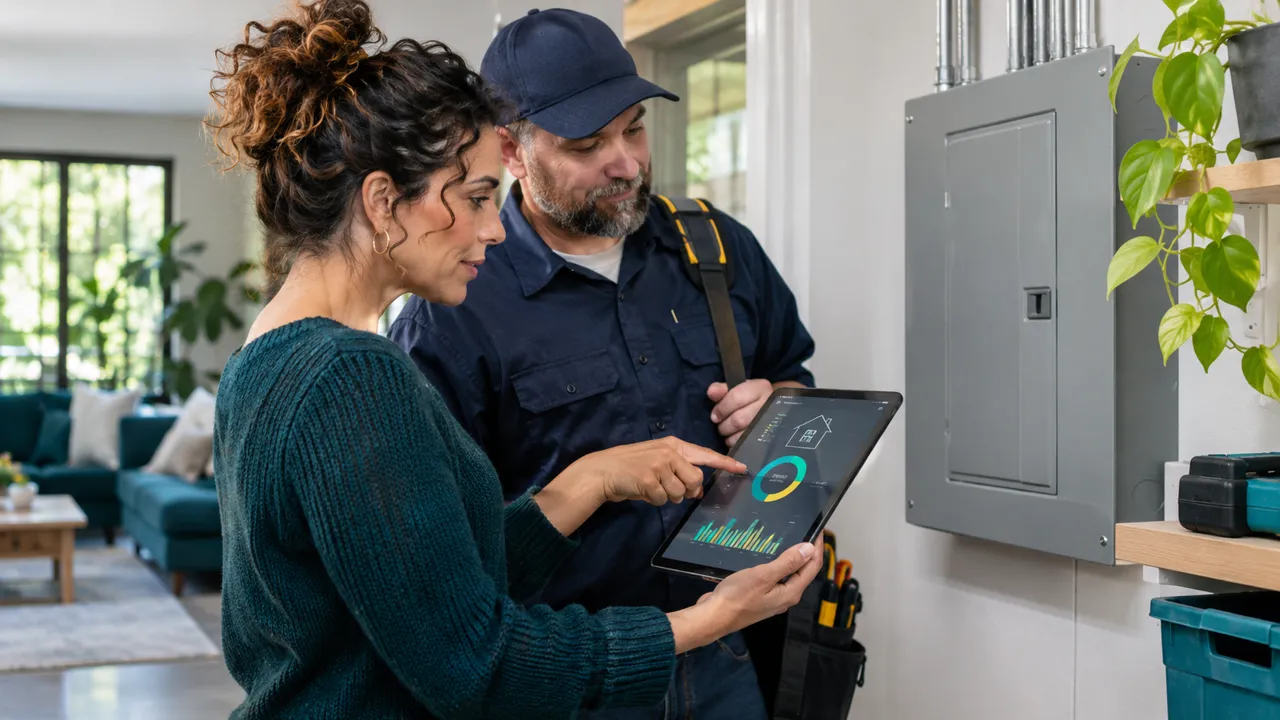
A monitoring product may show a change in use after an appliance starts. Ask whether it measures that appliance directly or estimates the contribution. If the system can change settings, identify which equipment it controls and how residents can override the action.
What to check
- Distinguish measured values from estimates and explain the update interval.
- List connected equipment and the actions the system is permitted to take.
- Check override, access and support arrangements for every household member.
The trade-off
More data does not automatically produce savings. The value depends on the household’s equipment, routines and ability to act on the information without creating inconvenience or an unclear control arrangement.
Research context
ENERGY STAR provides information on smart home energy management systems. Its programme context can support questions about integrated functions; product compatibility and household outcomes need individual assessment.
Read the original reference material. The practical examples and evaluation questions above are TheTechGlow’s editorial application of the topic, not reported results from a product test.
Explore Home Energy Management for topic coverage, or continue to Home Appliance Technology for the wider sector.
References and further reading
- energystar.govhttps://www.energystar.gov/products/smart_home_energy_mgnt_systems