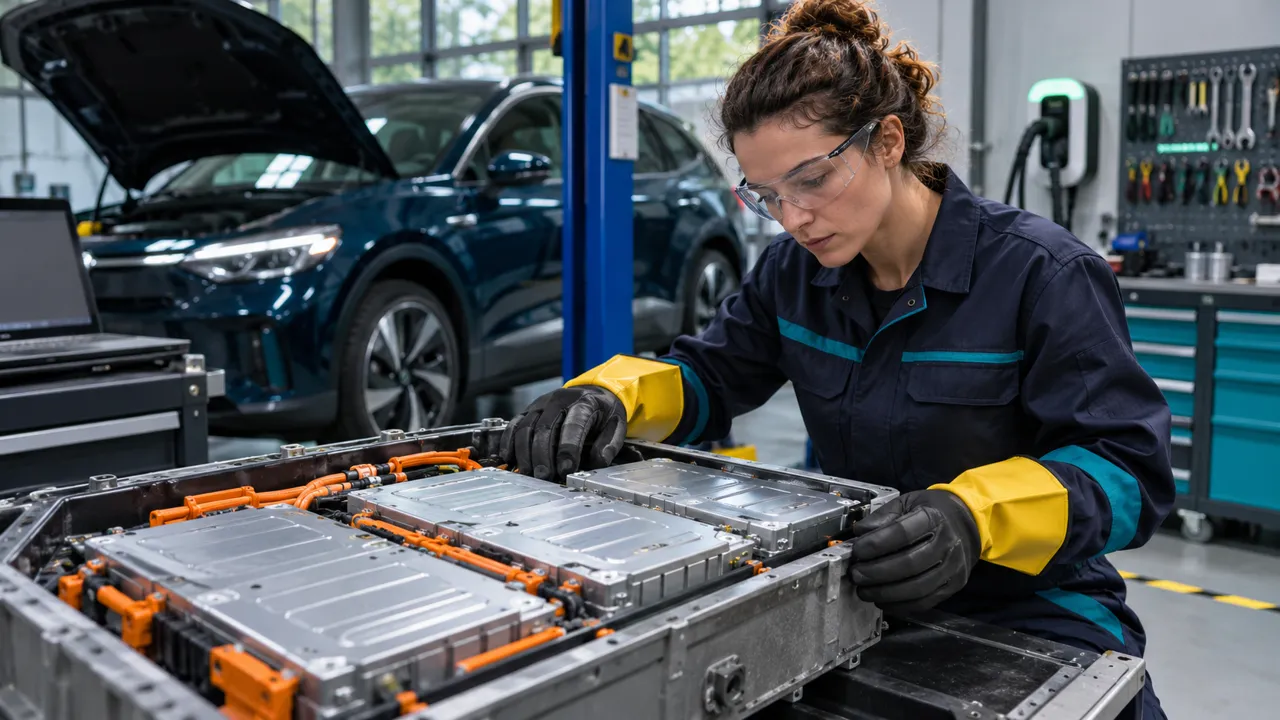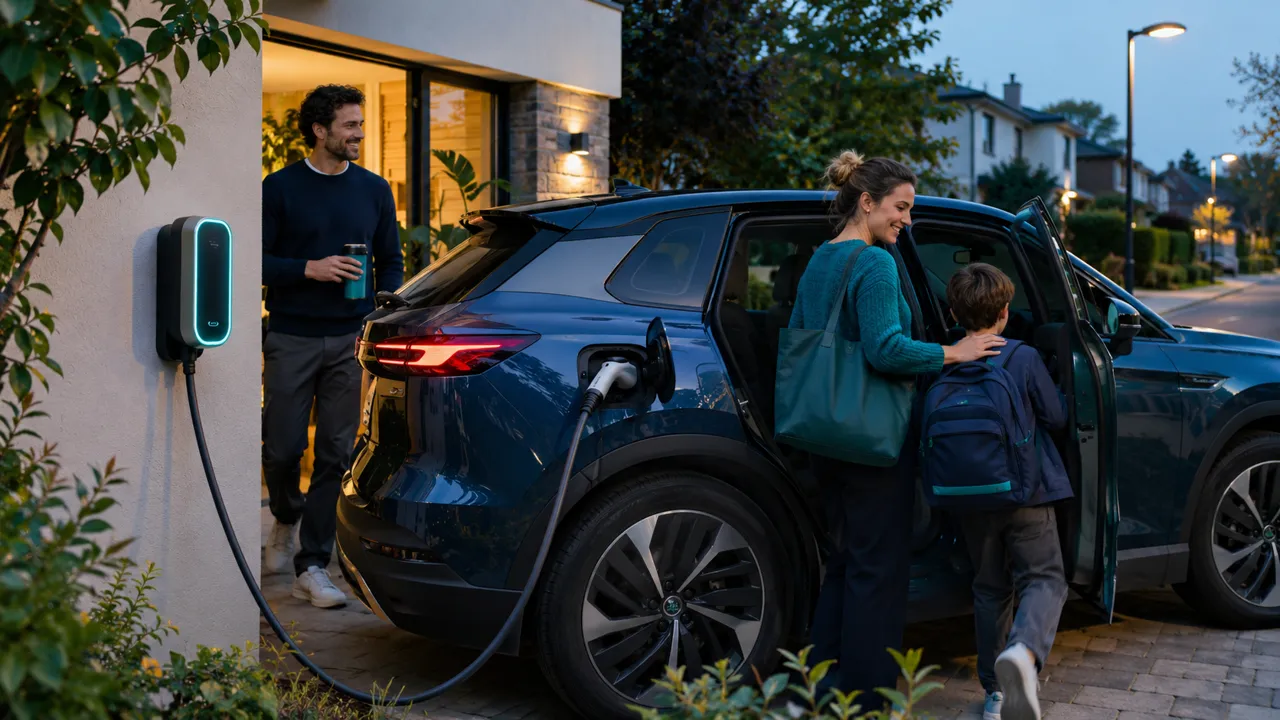
A practical charging plan starts with where a vehicle spends time between journeys. Home parking, workplace access and dependence on public sites lead to different ownership routines.
A practical example
Write down a normal week of travel and parking. Check which locations permit charging and what alternatives exist if the preferred option is unavailable. For a home installation, arrange a qualified assessment of the property and supply rather than assuming that a nearby socket settles the question.
What to check
- Check vehicle and connector compatibility for the intended charging locations.
- Read site access, payment and parking conditions before relying on a public charger.
- Keep an alternative plan for regular journeys and unfamiliar destinations.
The trade-off
Range and peak charging figures are useful specifications, but neither explains the whole routine. A modestly convenient arrangement used reliably may be more valuable than an occasional high-power option.
Research context
The US Alternative Fuels Data Center explains charging infrastructure and charging levels. Connector and installation details vary by region and vehicle, so local information and manufacturer instructions remain necessary.
Read the original reference material. The practical examples and evaluation questions above are TheTechGlow’s editorial application of the topic, not reported results from a product test.
Explore Electric Vehicles and Charging for topic coverage, or continue to Automobile Technology for the wider sector.
References and further reading
- afdc.energy.govhttps://afdc.energy.gov/fuels/electricity-stations