Reference brief. This article explains published guidance and its practical context; it does not report a new launch or claim that an older source was released today.
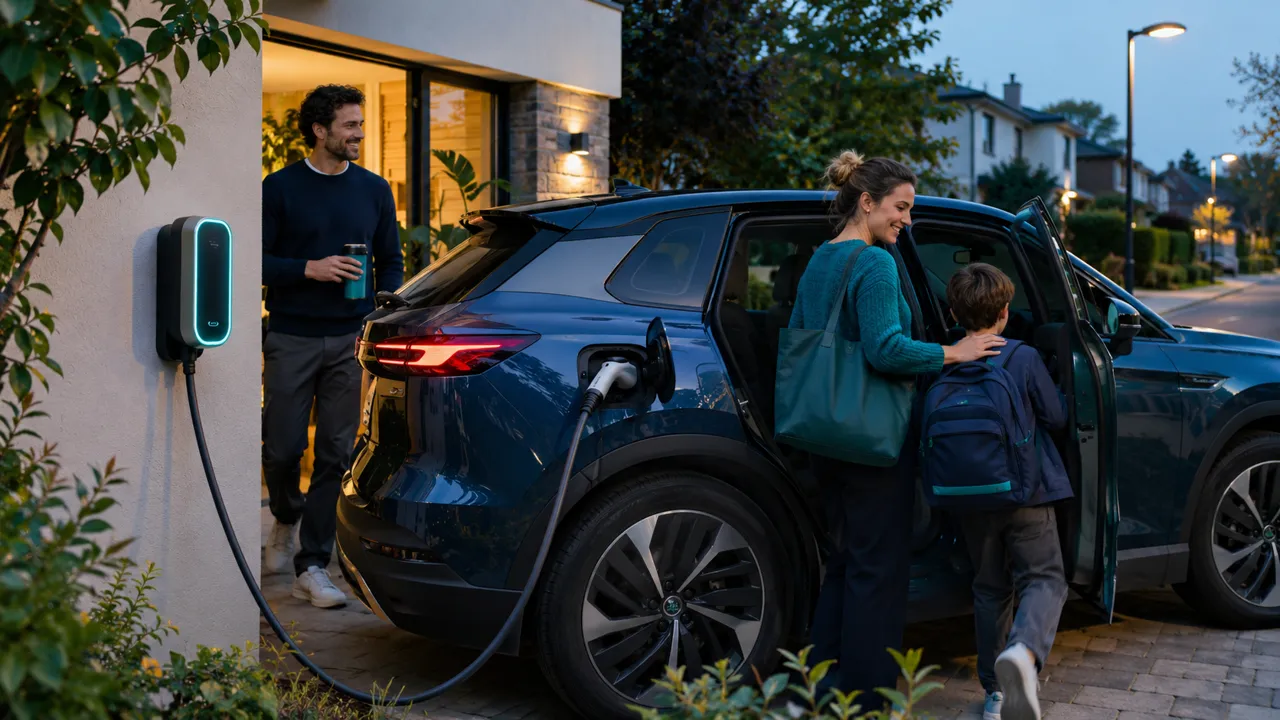
Charging convenience depends on access, time and the vehicle as well as the equipment. Buyers should ask how charging fits the places they already park. Site restrictions and practical alternatives deserve attention before a comparison is reduced to a headline power figure.
What the source establishes
The US Alternative Fuels Data Center explains charging infrastructure and charging levels. Connector and installation details vary by region and vehicle, so local information and manufacturer instructions remain necessary.
See the original reference material for the publisher’s scope and detail.
Questions to carry into a product or service review
- Check vehicle and connector compatibility for the intended charging locations.
- Read site access, payment and parking conditions before relying on a public charger.
- Keep an alternative plan for regular journeys and unfamiliar destinations.
Why context matters
Range and peak charging figures are useful specifications, but neither explains the whole routine. A modestly convenient arrangement used reliably may be more valuable than an occasional high-power option.
For the practical example, read build an electric-vehicle charging plan from a normal week. More coverage is available in Electric Vehicles and Charging.
References and further reading
- afdc.energy.govhttps://afdc.energy.gov/fuels/electricity-stations