Reference brief. This is an editorial explanation of published resources, rather than a report of a new product launch or a new event.
The Alternative Fuels Data Center explains charging infrastructure and charging levels in the US context. Its terminology and connector details should be read alongside the vehicle documentation and local charging network information.
Why the distinction matters
List regular journeys and where the vehicle is parked between them. Someone parked at home overnight faces a different planning problem from a driver relying on public charging. Note access restrictions and whether a space is shared. Begin with the routine you actually have, rather than an unusually long holiday journey or a headline maximum range.
A question for your next evaluation
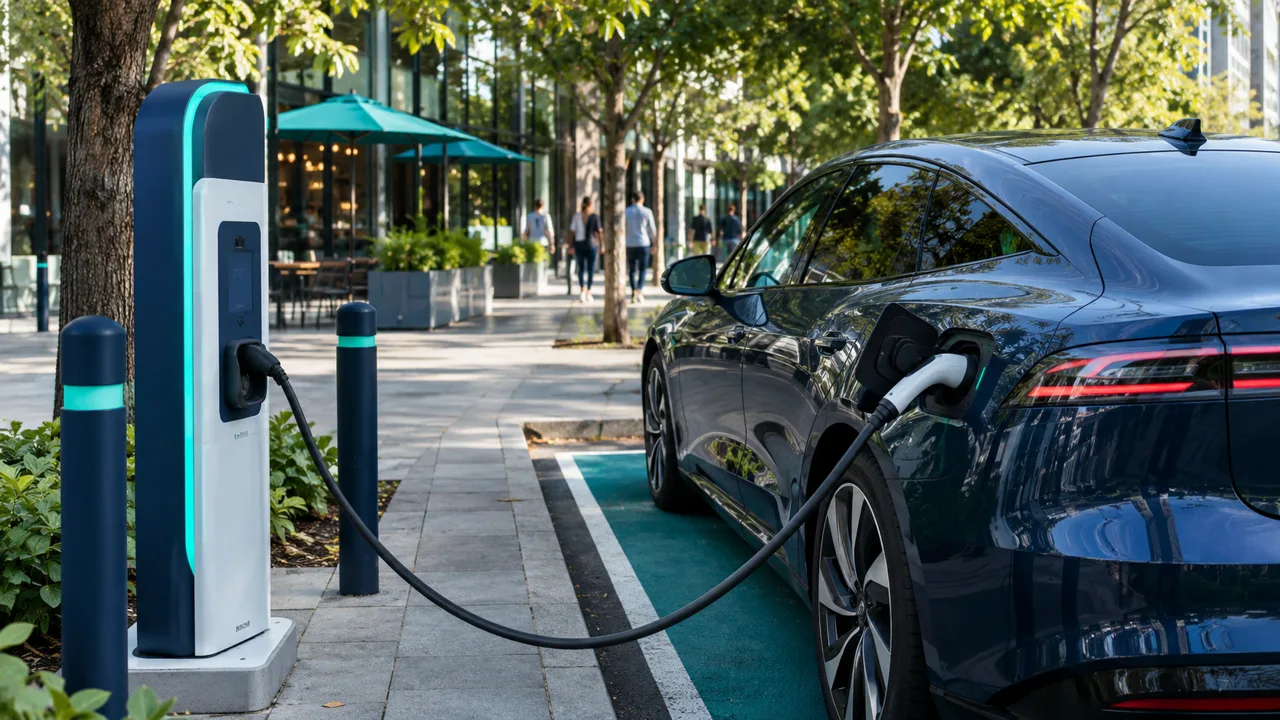
For a route you use often, check site access, payment options and an alternative location. Consider whether the stop fits the time you have available. Network maps are useful planning aids, but conditions can change. Keep a practical fallback rather than depending entirely on a single charger that happens to appear convenient on a map.
Read the evidence
See US Department of Energy Alternative Fuels Data Center charging information. Publication of a framework, report or product description does not establish that a particular supplier meets your requirements. The practical evaluation questions here are TheTechGlow’s editorial interpretation.
For the fuller checklist, read our plan ev charging around parking time and actual journeys, then explore the sector coverage.
References and further reading
- US Department of Energy Alternative Fuels Data Center charging informationhttps://afdc.energy.gov/fuels/electricity-stations