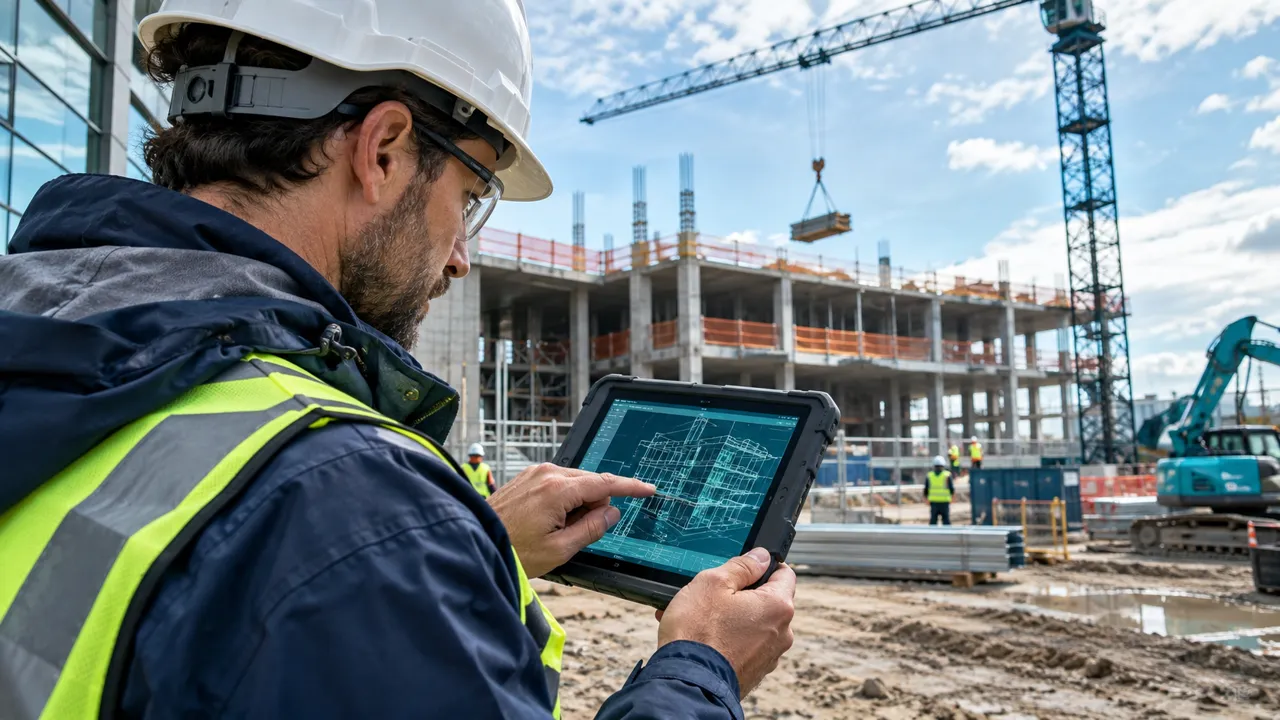
A detailed digital model may be useful without representing current conditions. When evaluating a proposed digital twin, ask what physical system it represents, which information updates it and which decision it supports.
A practical example
Consider a model of a building’s ventilation equipment. A team should know whether operating readings are live, periodically imported or manually entered. If a component is replaced, someone needs to update its identity and the relationship to historical records.
What to check
- Describe the physical asset, model boundaries and information sources.
- Record update frequency and show when a value is stale or unavailable.
- Test whether a proposed prediction is checked against observed behaviour.
The trade-off
Fidelity should match the decision. A simpler model with maintained records may be more useful than a visually impressive representation whose assumptions and update process are unclear.
Research context
NIST’s digital-twin work explores the concepts and technical challenges of connecting digital representations with physical systems. It provides a research perspective, not a certification of commercial product descriptions.
Read the original reference material. The practical examples and evaluation questions above are TheTechGlow’s editorial application of the topic, not reported results from a product test.
Explore Digital Twins for topic coverage, or continue to Property and Real Estate Technology for the wider sector.
References and further reading
- nist.govhttps://www.nist.gov/digital-twins