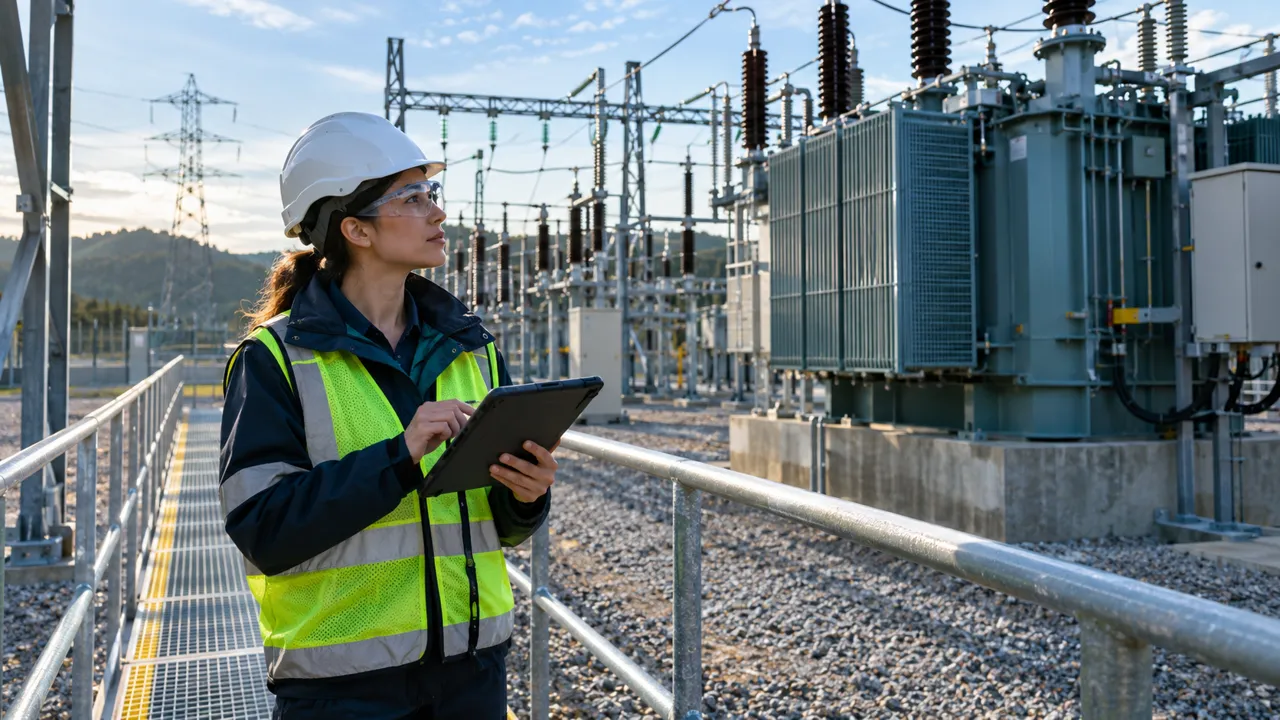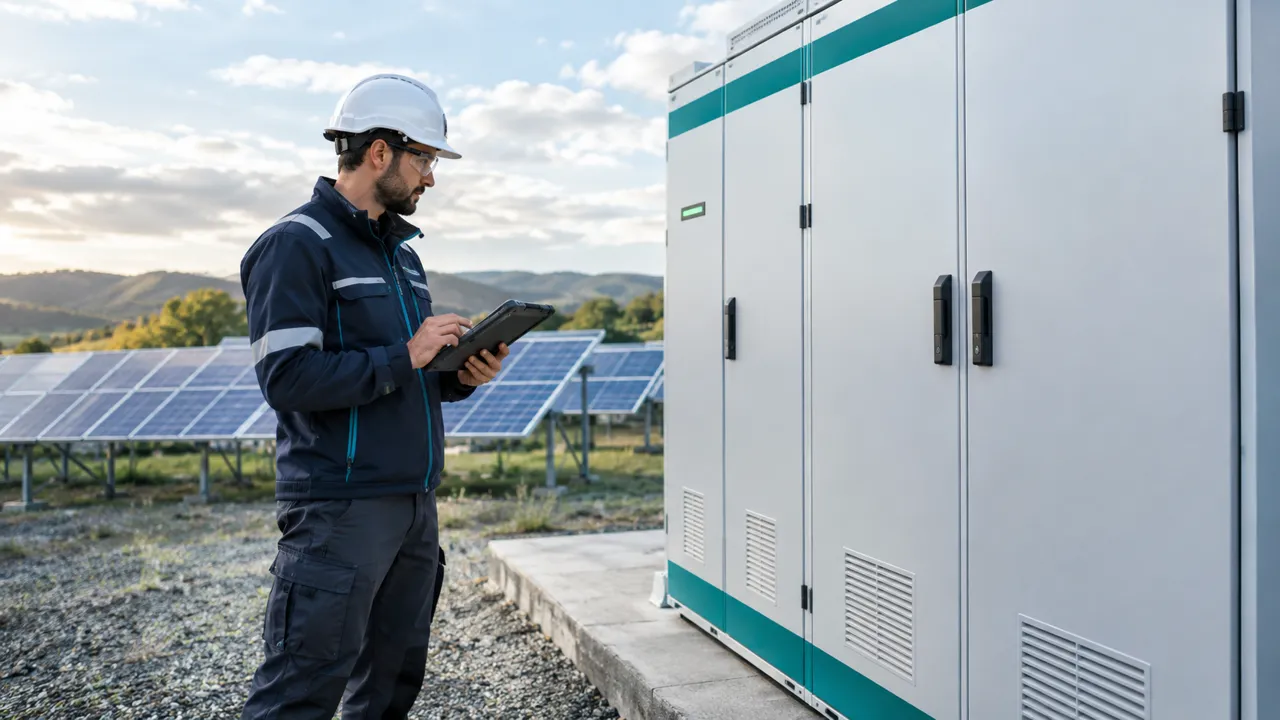
An energy-storage proposal should identify what service the system is expected to provide. Covering a defined interruption and shifting use to another time are different objectives with different operating questions.
A practical example
For a small business considering backup, list the equipment that must continue operating and the required duration. Ask the supplier to explain how the proposal serves that list, including exclusions. Do not assume that a capacity figure means the system can supply every building load.
What to check
- Read power and usable energy as separate specifications.
- Define monitoring, maintenance and qualified support responsibilities.
- Request clear explanations of operating assumptions and warranty conditions.
The trade-off
A larger headline capacity may not address a constraint elsewhere in the installation. Compare complete proposals with common assumptions rather than selecting equipment on one number.
Research context
The US Department of Energy’s energy-storage resources describe work across storage technologies and applications. They provide context for comparison; installation and performance need project-specific evaluation.
Read the original reference material. The practical examples and evaluation questions above are TheTechGlow’s editorial application of the topic, not reported results from a product test.
Explore Energy Storage for topic coverage, or continue to Climate and Energy Technology for the wider sector.
References and further reading
- energy.govhttps://www.energy.gov/oe/energy-storage