Industrial monitoring should begin with a question about equipment or production. A sensor reading becomes more useful when the team understands the operating conditions and the decision it may change.
A practical example
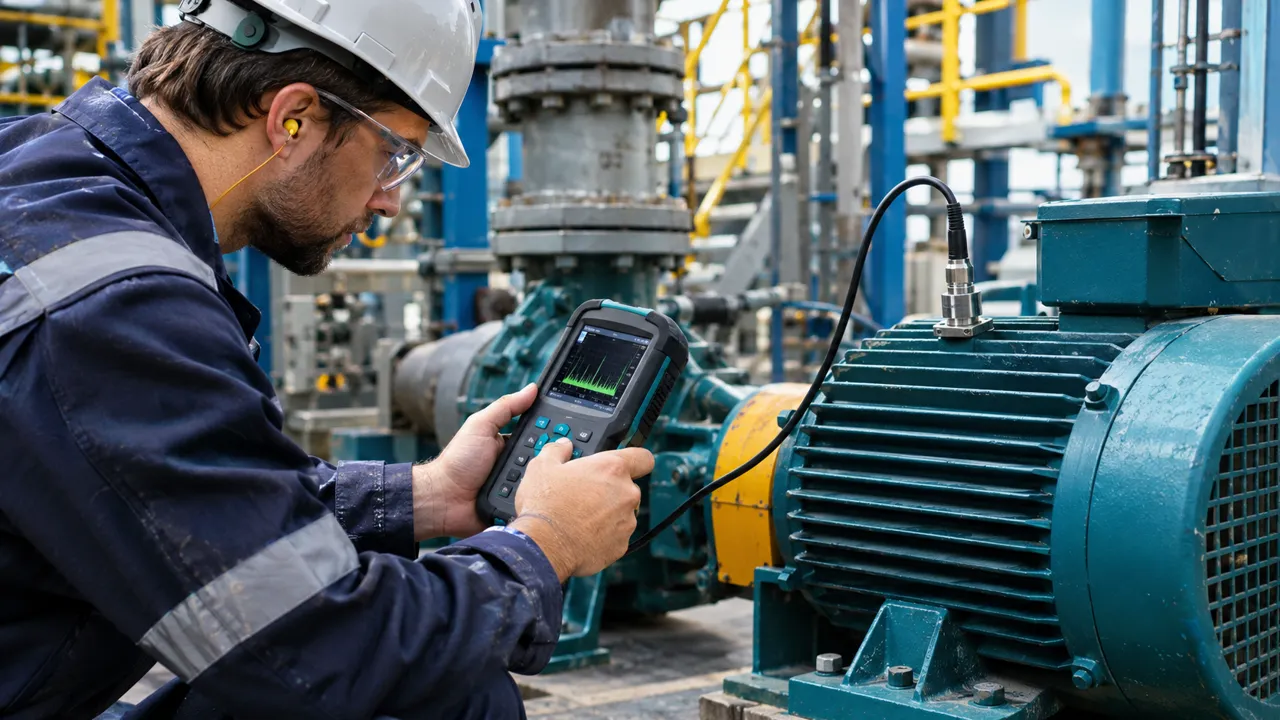
For a frequently inspected motor, record normal operating conditions and the maintenance team’s existing observations. Ask what additional information a pilot should provide. A temperature or vibration change should be investigated in context rather than treated automatically as proof of a particular fault.
What to check
- Define equipment identity, operating state and the baseline used for comparison.
- Assign who reviews an alert and what evidence supports escalation.
- Record confirmed findings so the team can evaluate the monitoring approach.
The trade-off
Adding sensors can improve visibility while also increasing interpretation work. Choose a limited pilot whose results can be checked against actual maintenance findings.
Research context
NIST’s work on prognostics and health management for smart manufacturing examines methods for understanding equipment condition. It is research context rather than validation of a particular commercial monitoring system.
Read the original reference material. The practical examples and evaluation questions above are TheTechGlow’s editorial application of the topic, not reported results from a product test.
Explore Industry Technology for topic coverage, or continue to Business and Enterprise Technology for the wider sector.
References and further reading
- nist.govhttps://www.nist.gov/programs-projects/prognostics-and-health-management-reliable-operations-smart-manufacturing-phm4sm