Reference brief. This article explains published guidance and its practical context; it does not report a new launch or claim that an older source was released today.
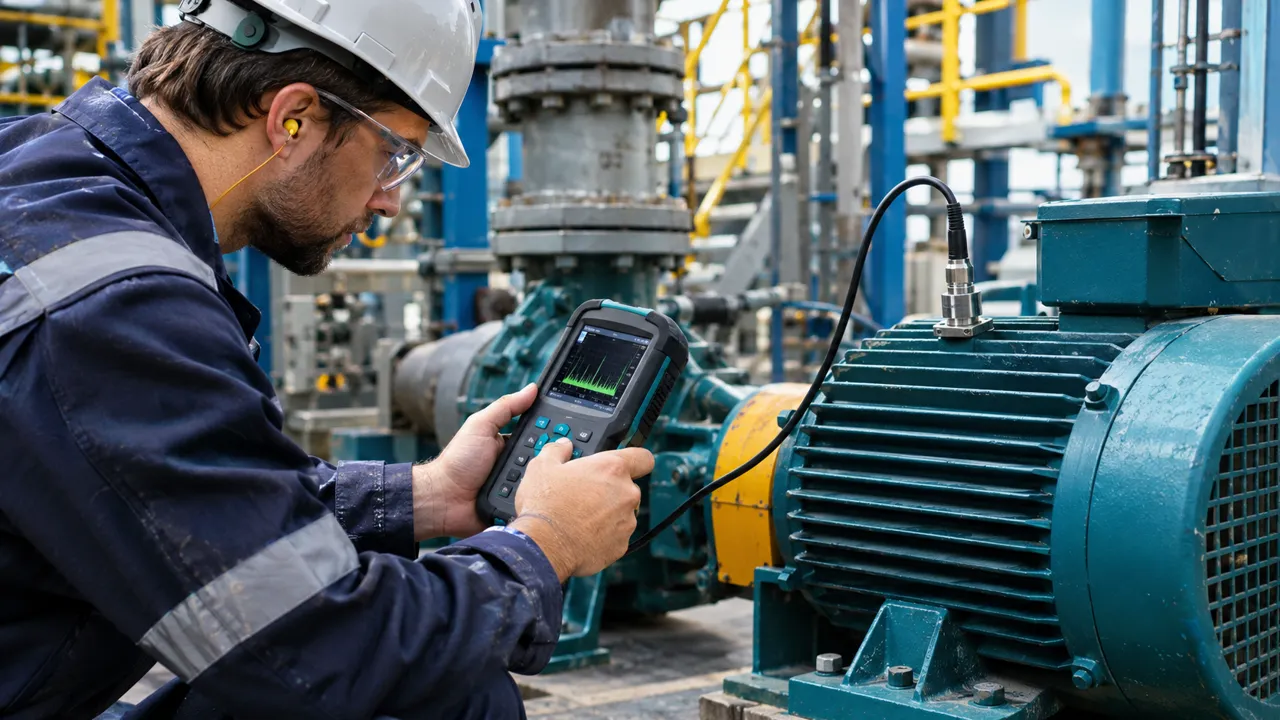
Condition monitoring is a decision-support workflow, not just a stream of readings. A useful demonstration should explain why an alert is raised, what an engineer should inspect and how the result is recorded. More data does not by itself establish a reliable maintenance recommendation.
What the source establishes
NIST’s work on prognostics and health management for smart manufacturing examines methods for understanding equipment condition. It is research context rather than validation of a particular commercial monitoring system.
See the original reference material for the publisher’s scope and detail.
Questions to carry into a product or service review
- Define equipment identity, operating state and the baseline used for comparison.
- Assign who reviews an alert and what evidence supports escalation.
- Record confirmed findings so the team can evaluate the monitoring approach.
Why context matters
Adding sensors can improve visibility while also increasing interpretation work. Choose a limited pilot whose results can be checked against actual maintenance findings.
For the practical example, read a condition-monitoring pilot needs a maintenance decision at the end. More coverage is available in Industry Technology.
References and further reading
- nist.govhttps://www.nist.gov/programs-projects/prognostics-and-health-management-reliable-operations-smart-manufacturing-phm4sm