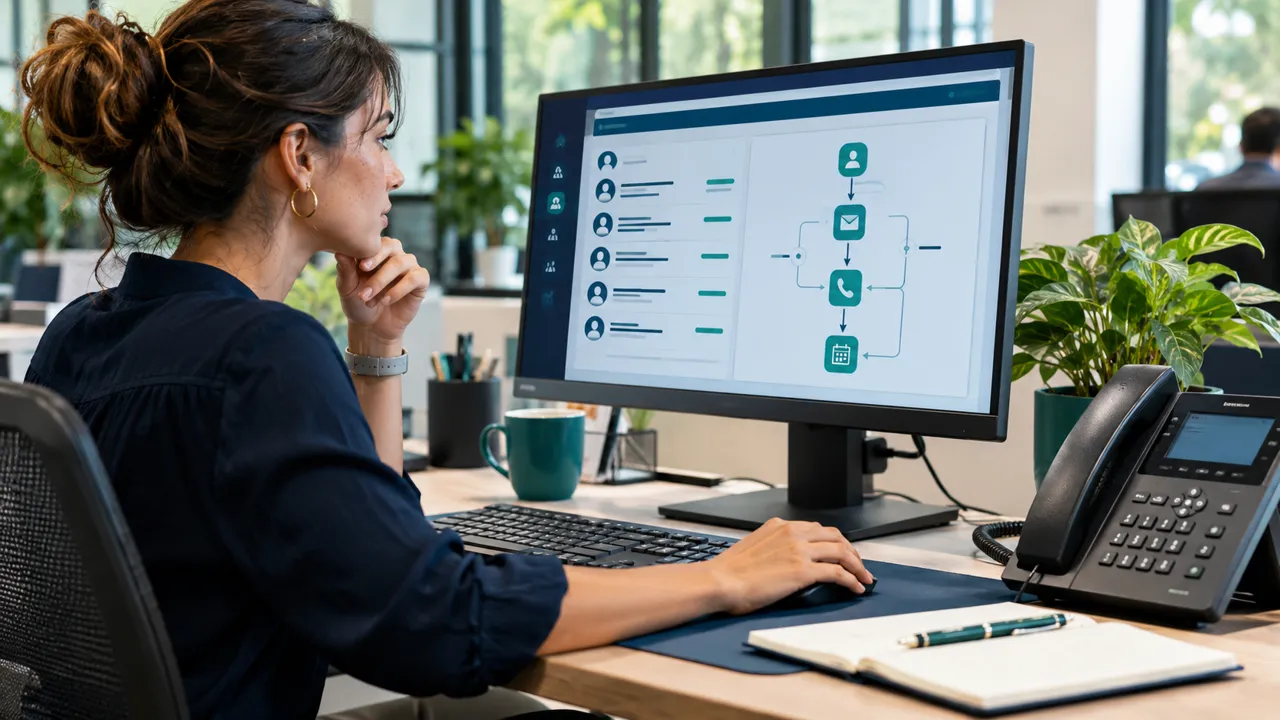
A customer journey is not complete when it defines only how someone enters. Useful automation also needs to recognize a reply, a completed action, a changed preference or a reason to hand over to a person.
A practical example
A new-enquiry sequence might confirm receipt and explain the next step. If the prospect has already spoken to the team, the same sequence can become repetitive. Test how the workflow stops or changes when that conversation is recorded.
What to check
- Define the business event that starts the workflow and avoid ambiguous triggers.
- Map replies, completed actions and preference changes to appropriate exits.
- Assign a person to review exceptions and failed handovers.
The trade-off
Automation can improve consistency, but extra messages are not automatically extra value. Start with one narrow journey that the team can inspect from beginning to end.
Research context
Mailchimp’s customer-journey documentation explains how its automation features are organized. Vendor documentation helps clarify that product’s behaviour; other platforms and plans need their own feature checks.
Read the original reference material. The practical examples and evaluation questions above are TheTechGlow’s editorial application of the topic, not reported results from a product test.
Explore Marketing Automation for topic coverage, or continue to Marketing Technology for the wider sector.
References and further reading
- mailchimp.comhttps://mailchimp.com/help/about-customer-journeys/