Reference brief. This article explains published guidance and its practical context; it does not report a new launch or claim that an older source was released today.
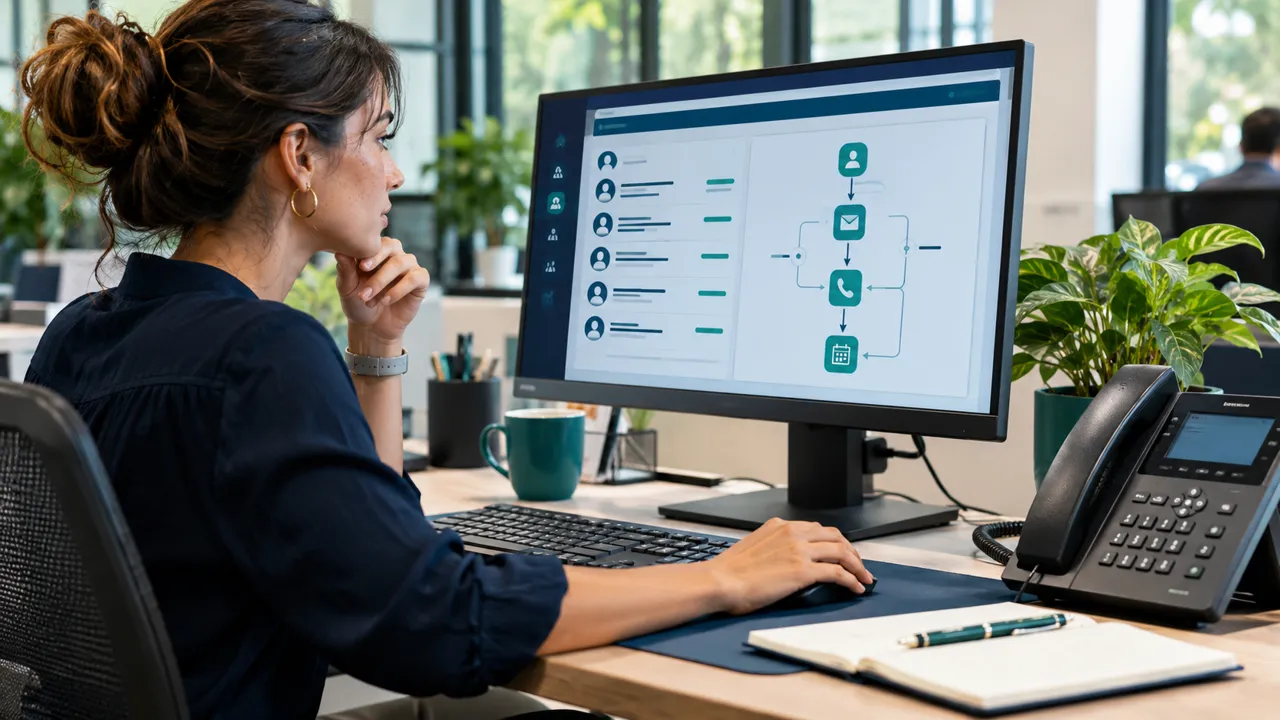
An automated sequence should respond to what has actually happened, not continue because a timer has expired. Buyers reviewing journey tools should ask to see a customer exit, a paused message and a handover to staff. Those controls are part of the customer experience.
What the source establishes
Mailchimp’s customer-journey documentation explains how its automation features are organized. Vendor documentation helps clarify that product’s behaviour; other platforms and plans need their own feature checks.
See the original reference material for the publisher’s scope and detail.
Questions to carry into a product or service review
- Define the business event that starts the workflow and avoid ambiguous triggers.
- Map replies, completed actions and preference changes to appropriate exits.
- Assign a person to review exceptions and failed handovers.
Why context matters
Automation can improve consistency, but extra messages are not automatically extra value. Start with one narrow journey that the team can inspect from beginning to end.
For the practical example, read a welcome workflow should know when to stop messaging. More coverage is available in Marketing Automation.
References and further reading
- mailchimp.comhttps://mailchimp.com/help/about-customer-journeys/